Toolboxes for small boats
Put together a toolbox of necessary items for your boat. We’ll get you started.

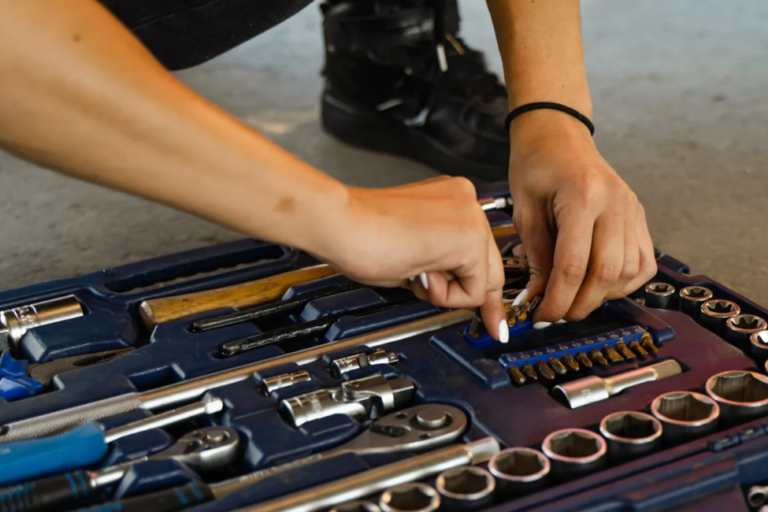
Put together a toolbox of necessary items for your boat. We’ll get you started.
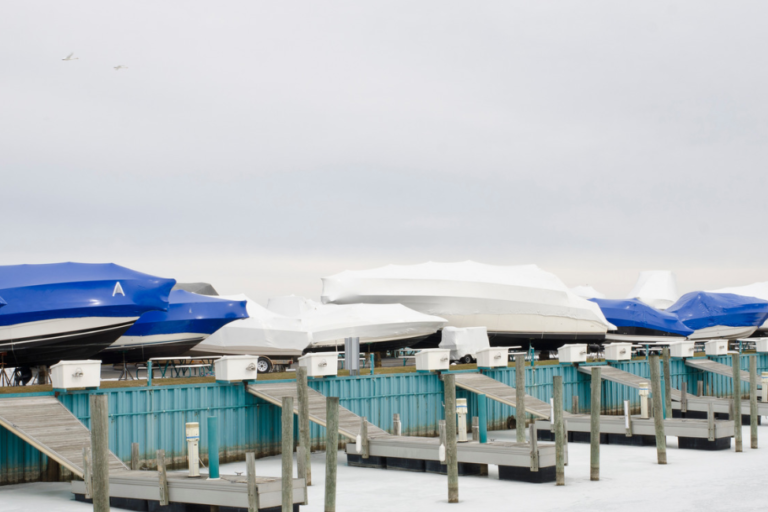
Take the proper steps to lay up your boat and prevent the effects of winter disuse.
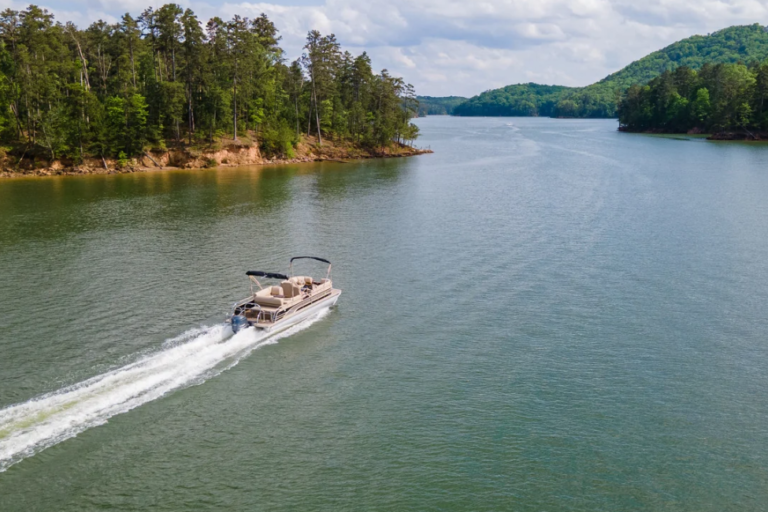
River boating takes skill, practice and knowledge. Follow these tips to master river navigation.

Before your next trip, make sure you pay attention to your boat battery, an oft-overlooked item.
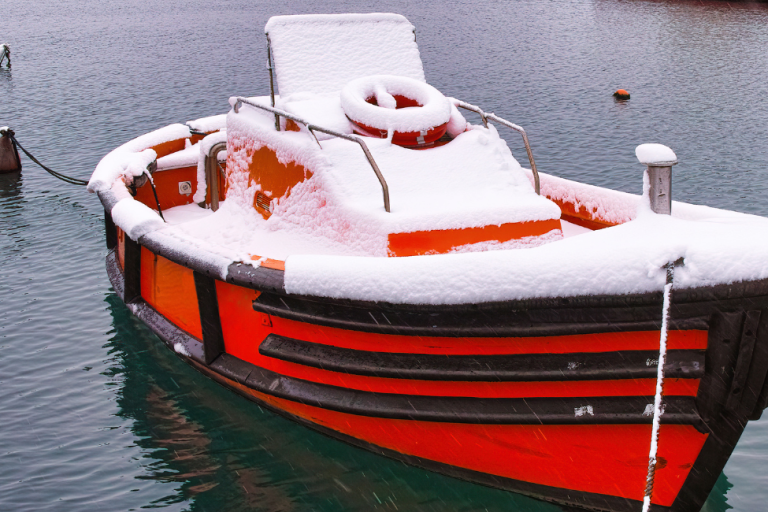
Dealing with cold-water immersion should be at the top of every boater’s safety list.
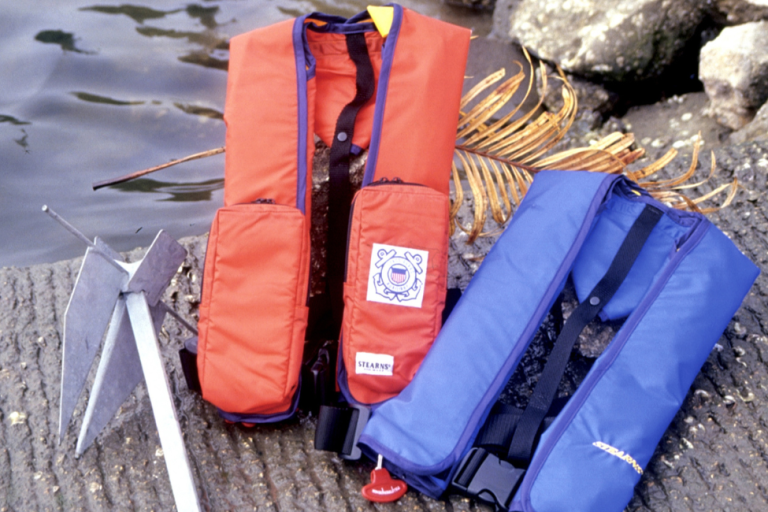
Inflatable PFDs need to be inspected regularly to ensure their reliability.

If you plan to cook on board, make sure you know how to safely use your stove and grill.

Onboard fire prevention includes ensuring that your vessel is as fireproof as possible.
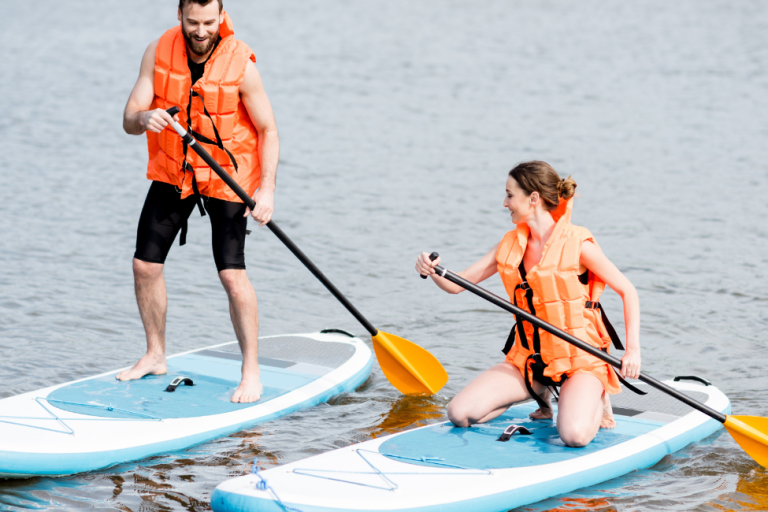
With their number rising, stand-up paddleboarders can stay safe around boats by taking a few precautions.
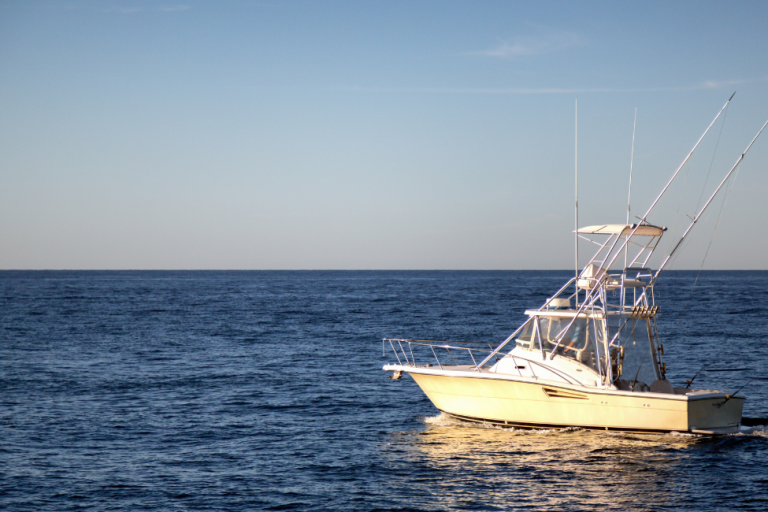
Whether you’re a new boater or a pro, these common boating mistakes can have serious consequences on the water.
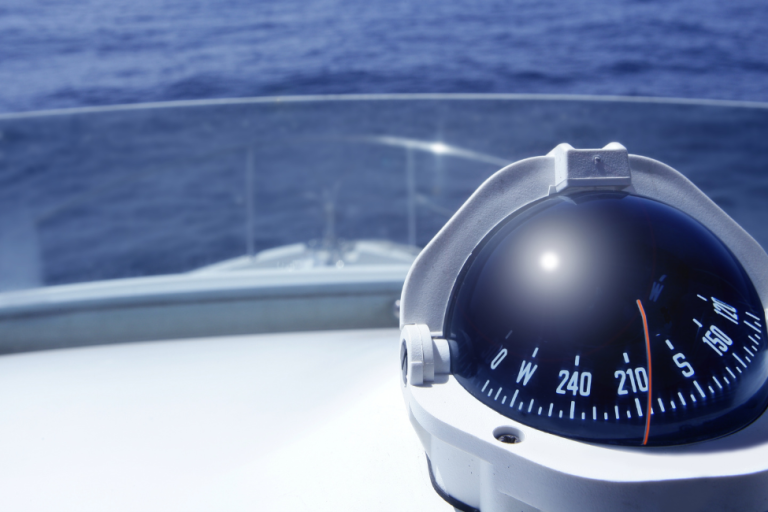
When your GPS goes south, you’ll be glad you followed these tips to select the best compass for your boat.
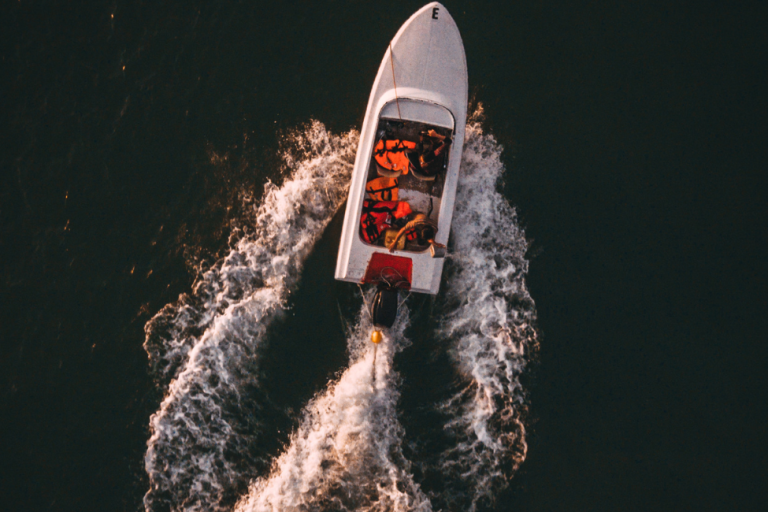
Don’t ruin a day on the water by being impatient and causing unsafe behavior with your boat’s wake.
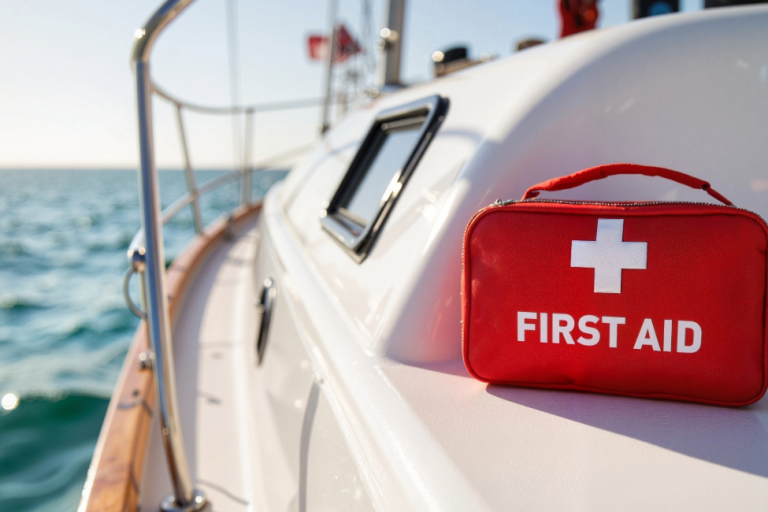
Having a well-stocked marine first-aid kit on board can help you render immediate emergency care and even save a life.

In case of an emergency, follow these steps to ensure you and your crew abandon ship as safely as possible.

Be prepared for an on-the-water emergency by carrying the correct visual distress signals aboard your boat.

Summer’s a great time to get to know some of the stars and constellations in the night sky especially when you’re out on the water.

Whether you plan to trailer your boat to a a lake or faraway locale, thorough preparation will ensure a smooth journey for you and your boat.

Be prepared for anything during your next charter by packing or shipping a few extra items ahead of time.
Thinking of boating after dark? Consider these tips to avoid accidents when nighttime boating.

Pointers to keep you and your boat safe when approaching, entering and leaving a lock.

Boaters should develop a well-thought-out hurricane plan before the hurricane season begins.

Boat green this spring: Consider using environmentally friendly products and solutions to avoid pollutants.
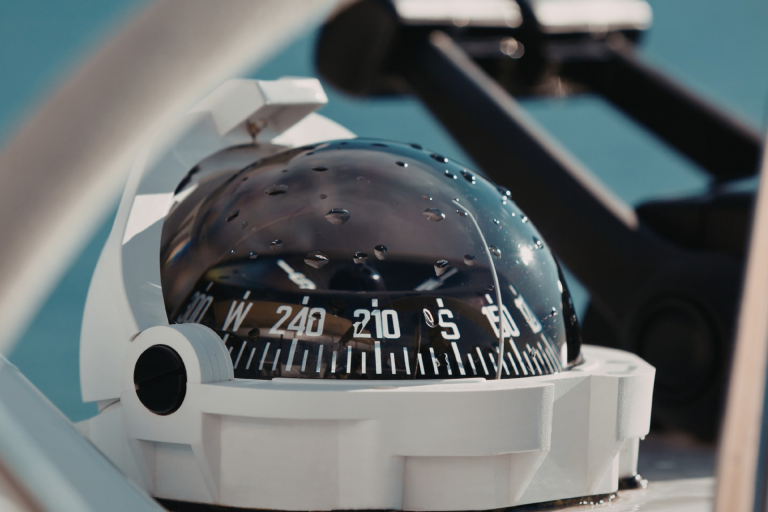
When your boat’s electronics go on the fritz, a mariner’s compass can get you home safely if you have one on board.

Follow these anchoring tips and tricks to have more fun on the water this boating season.
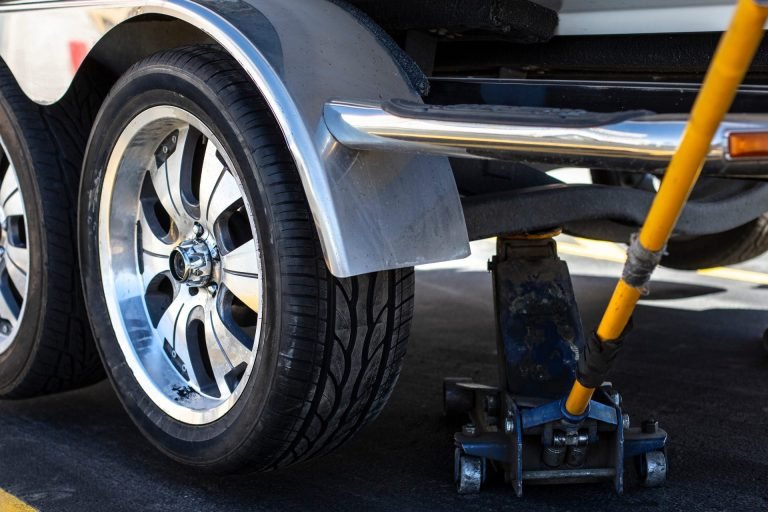
Use and exposure to elements can wear the tread on your trailer tires.

Protect yourself, your boat and those around you by checking your shore power cord for damage.
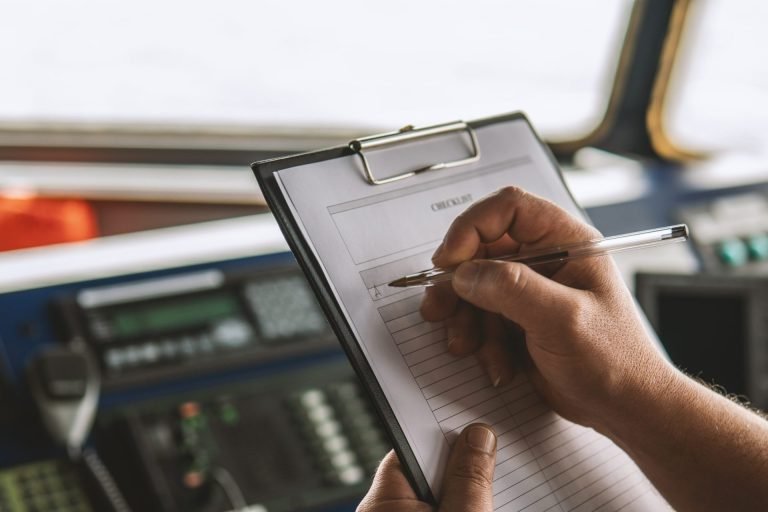
Used for both routine and emergency activities, boating checklists can ensure your safety and comfort.

Most boats sink at the dock. Here are seven steps to keep your boat from sinking at the dock.
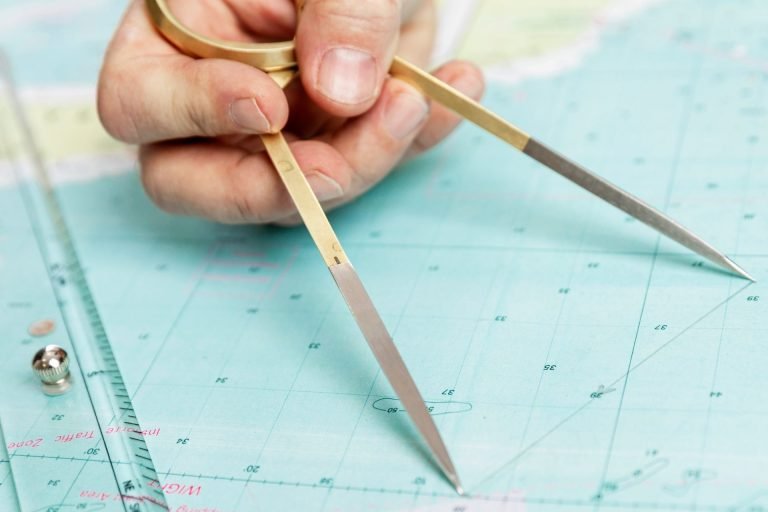
Before the start of boating season is a good time to prepare for an upcoming trip with paper and electronic charts.
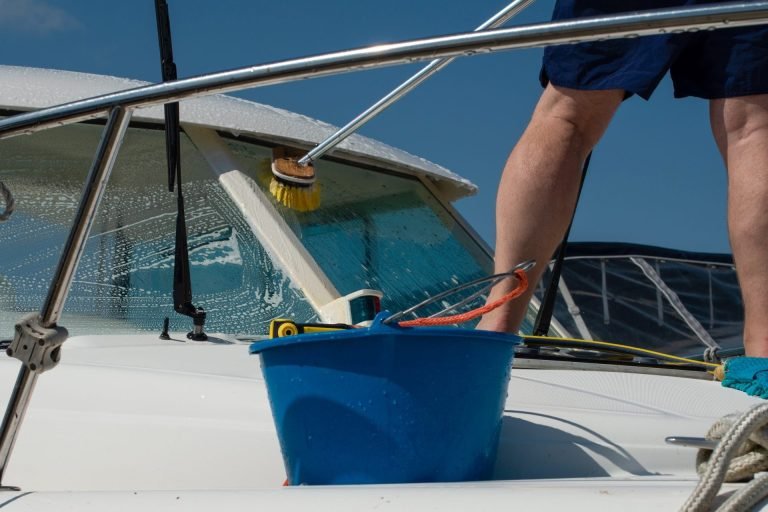
Spring commissioning is less about de-winterizing than it is about scouting for potential problems and addressing them.

Running this simple diesel engine stress test each month will help you detect problems before they occur.
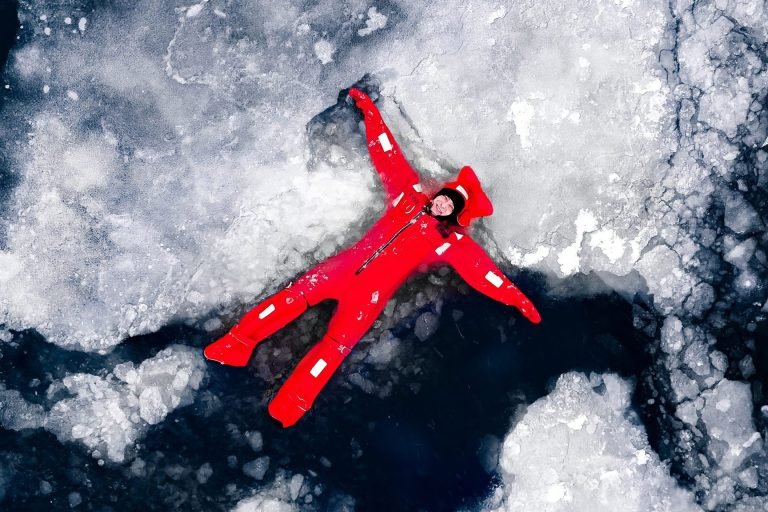
Prolonged exposure to cold weather can cause hypothermia. Learn how to prevent it and also how to treat it.
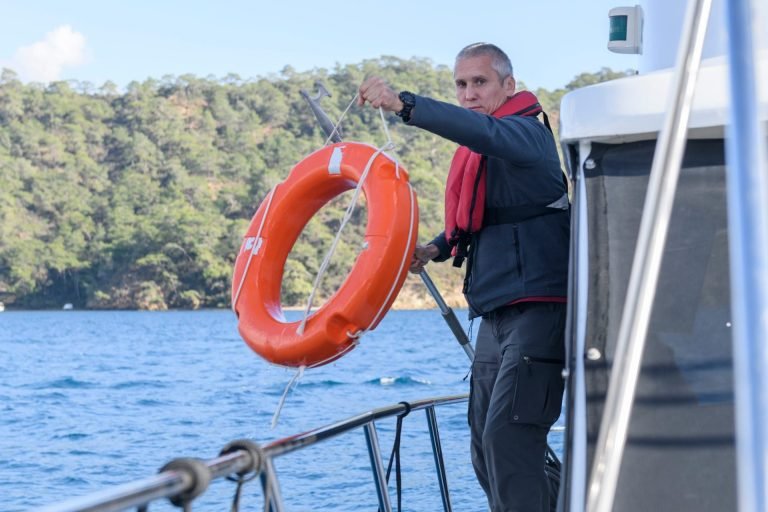
If you fall overboard, you can improve your chances of being rescued by having the right crew overboard devices.
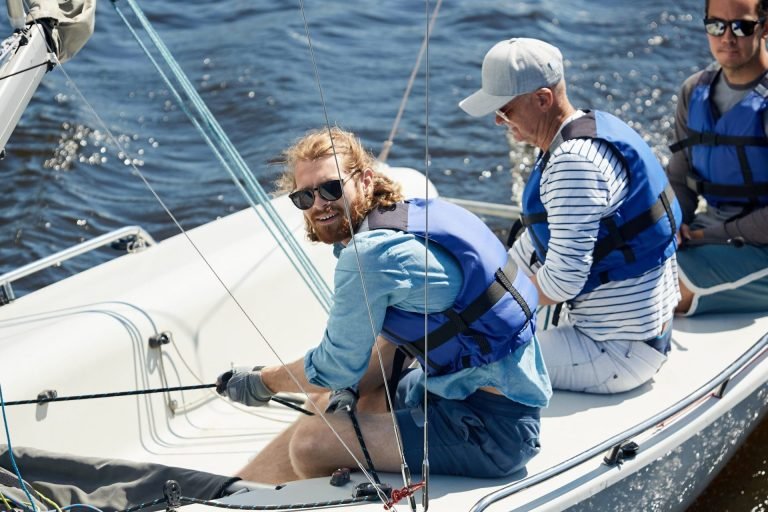
All crew members should have some basic skills before heading out on the water. Here are 10 things your crew should know.

Saltwater and uric acid inside marine toilets and discharge hoses can lead to damage to your boat head.
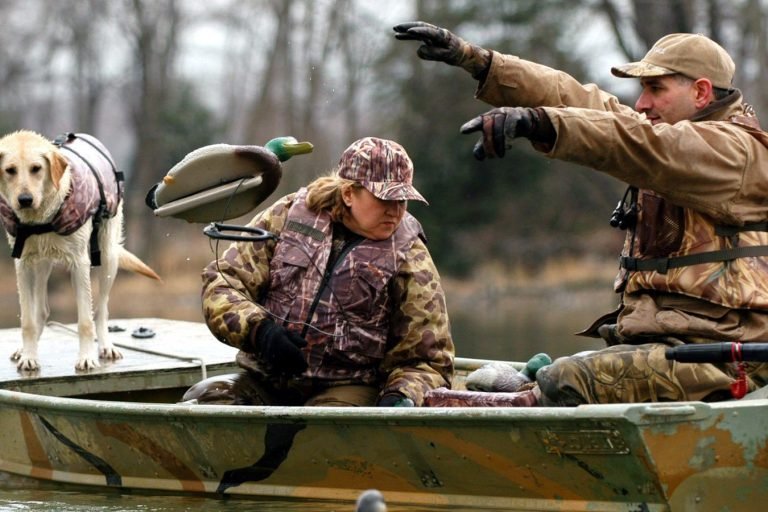
Most boating accidents occur on boats of less than 26 feet in length, so follow these tips on small boat safety.
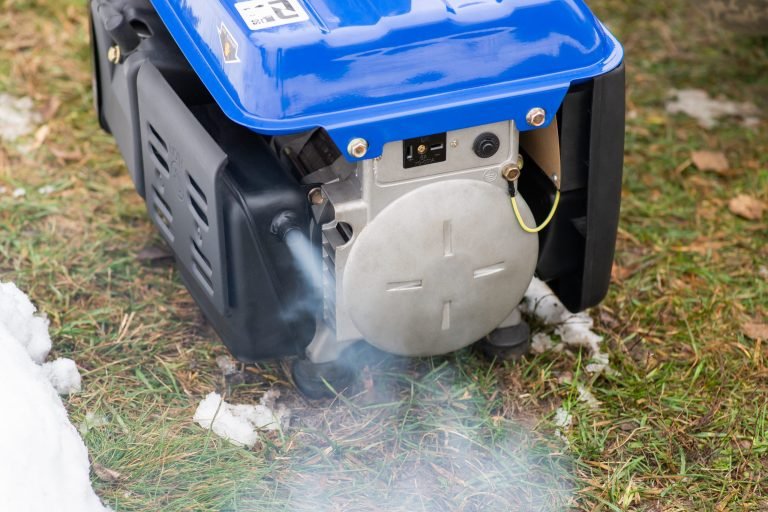
Portable generators may keep you toasty when it’s cold outside but could lead to carbon monoxide poisoning.
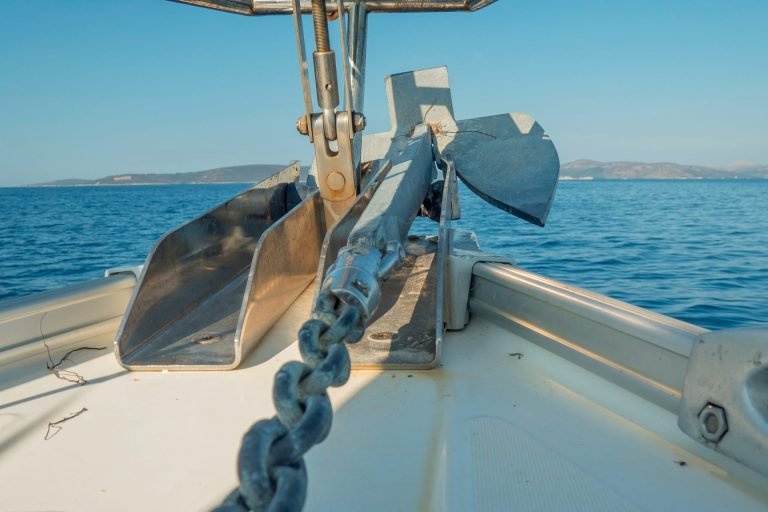
Learn the fundamentals of anchor and rode selection, and you’ll be ready to launch with confidence.
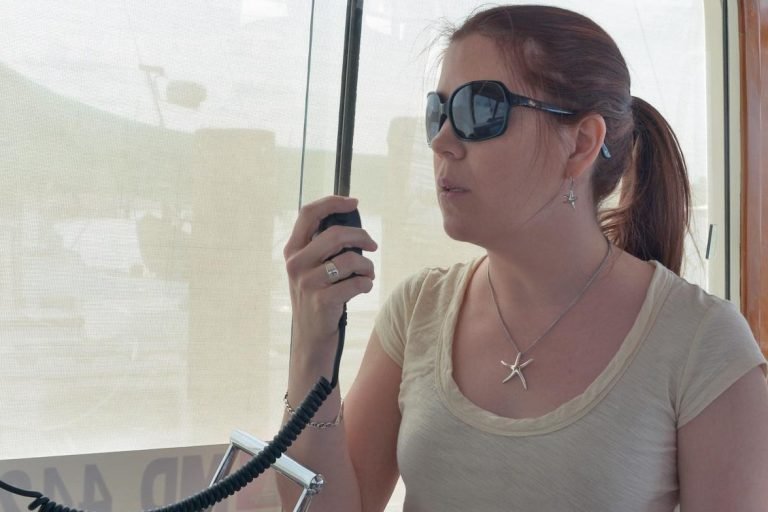
When buying or selling a boat, here’s what you need to know about Digital Selective Calling and any DSC-VHF marine radios on board.

Cold water immersion has multiple stages. Follow these cold water survival tips.
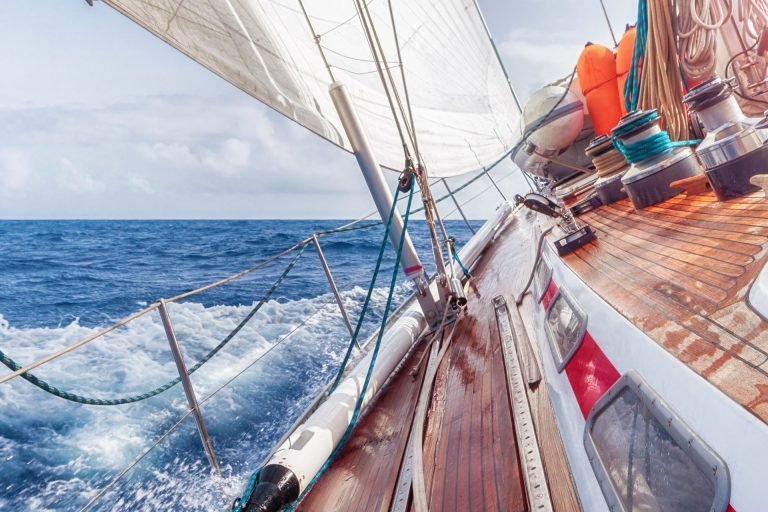
Winds can be dangerous for inexperienced boaters. Learn how to best handle your boat in wind.

Boating accidents have a higher fatality rate during cooler weather. Follow these offseason boating safety tips.
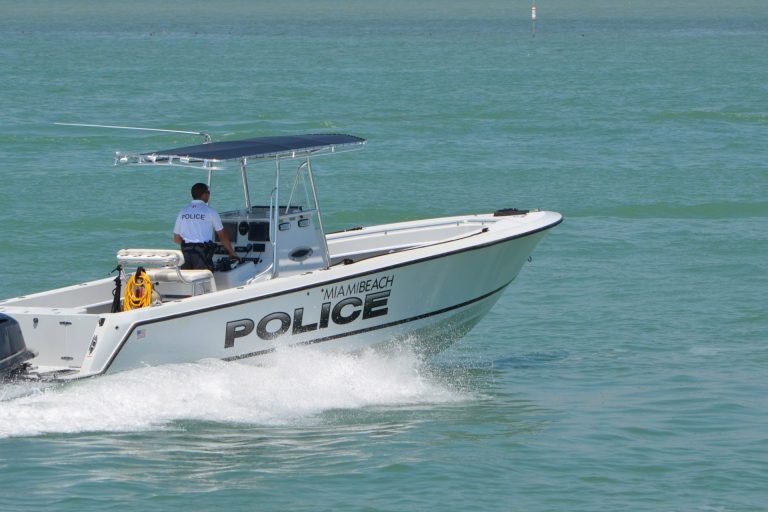
Negligent boating includes operator inattention and reckless vessel operation, and boaters can be held criminally responsible.
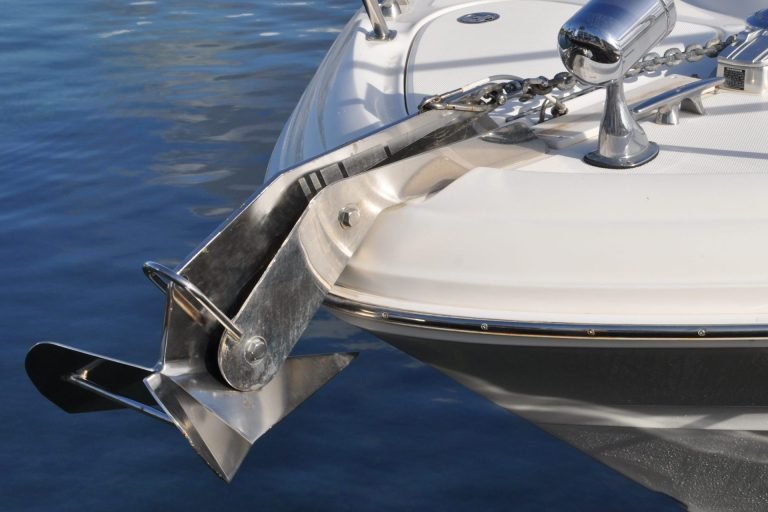
Follow this advice for easy anchor retrieval. Get your anchor, rode and chain back on board without having to dive for it.
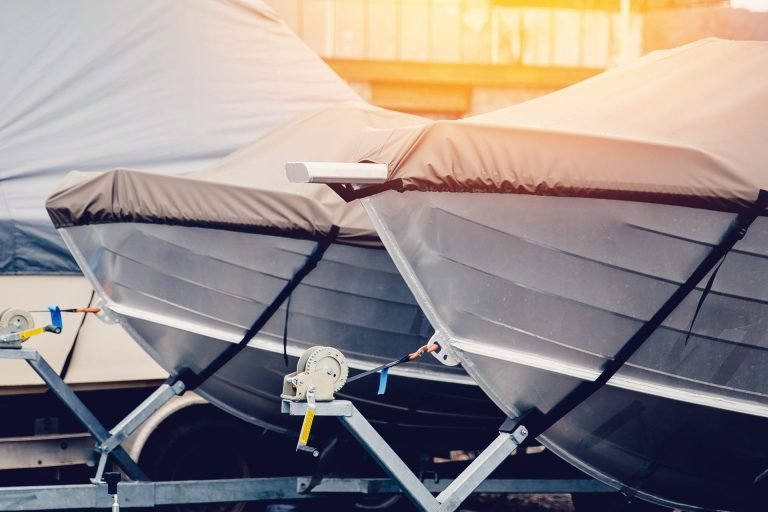
When the time comes to winterize your, remember that you are protecting not only your boat but your assets.
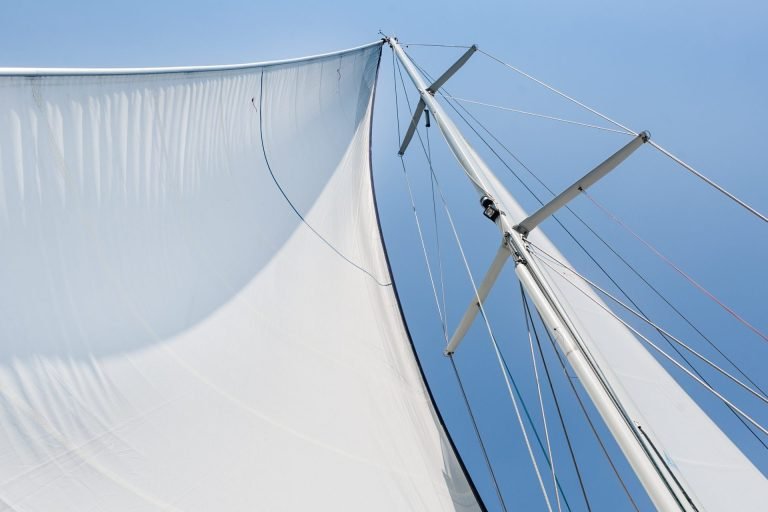
Planning to climb the mast on your boat? You’ll need the right gear and crew members who know what they’re doing.

While boat explosions are rare, with the right safety practices in place, they are often preventable.
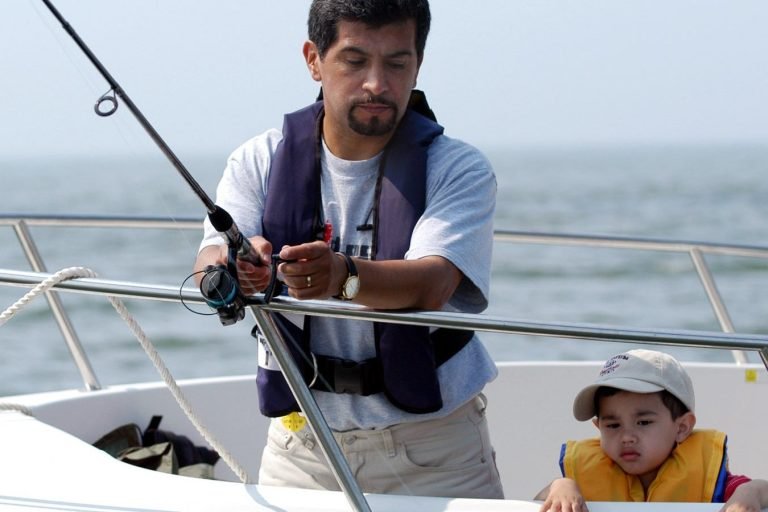
If you’re an offshore angler, know your limits, plan ahead and pack essential emergency gear.
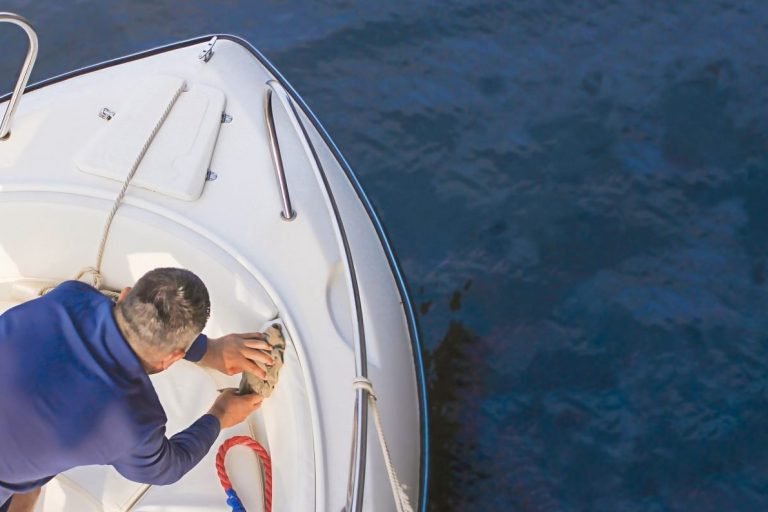
Quick mid-season maintenance checks ensure trouble-free cruising this boating season.

Learn how to stay safe when a storm threatens by reading the weather for hurricane warning signs and taking appropriate action.

Gain a practical understanding of marine batteries and how they fit into a boat’s marine electrical systems with our new seminar.

Be prepared for anything during your next charter by packing or shipping a few extra items ahead of time.

Waterspouts can be a destructive force of nature. Educate yourself on their characteristics and dangers.


Carbon monoxide gas can sneak up on unsuspecting boaters, causing sickness or death.
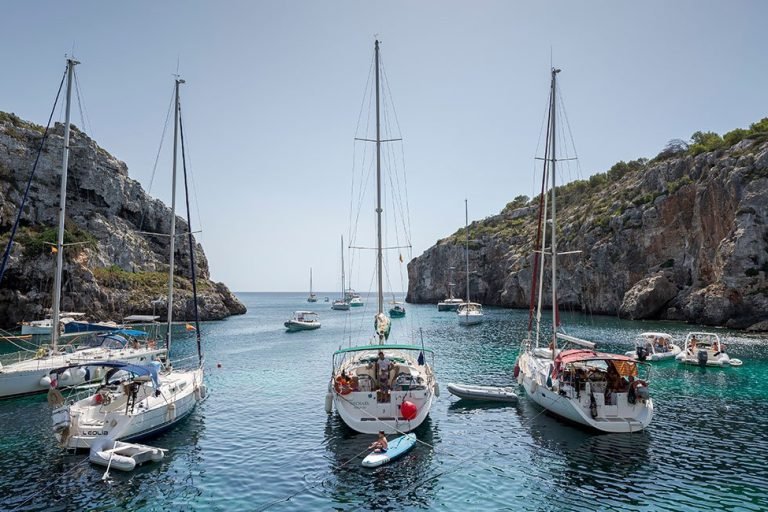
Being a competent boater includes the ability to anchor without disturbing other boaters around you.
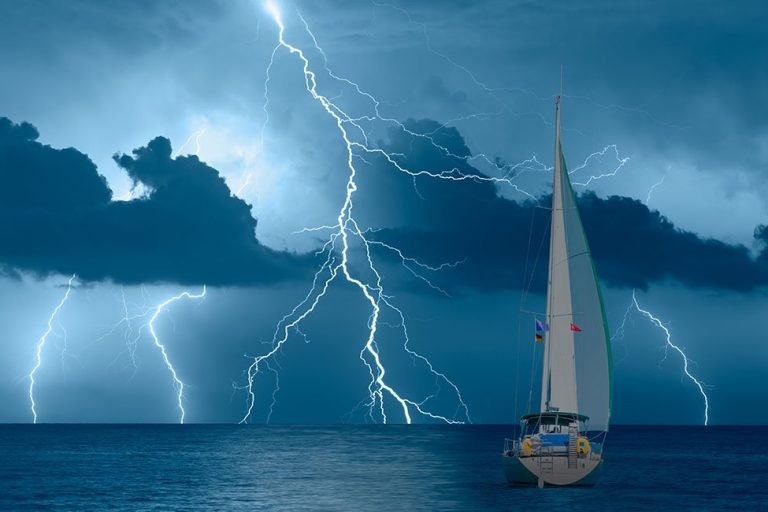
Thunderstorms can come on quickly in the summer. Take cover and protect yourself from lightning strikes.
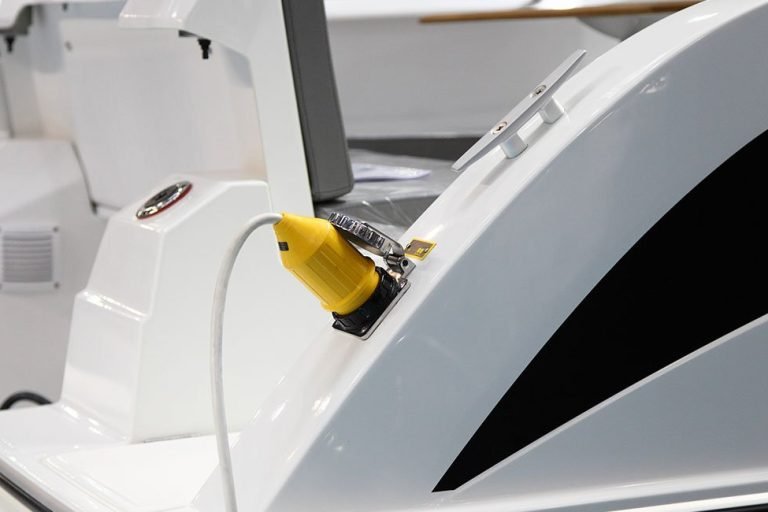
Protect yourself and your boat by checking your shore power cord for damage.

You can help prevent boat fires by checking these six trouble spots.
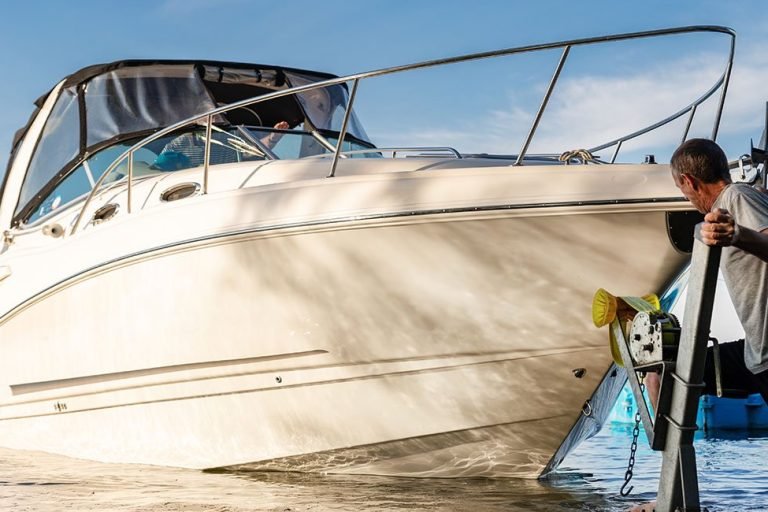
Are you prepared for anything on the water? Here’s what to do before casting off.

Not properly maintaining your boat’s valves could sink your vessel. Follow these tips to keep your boat afloat.
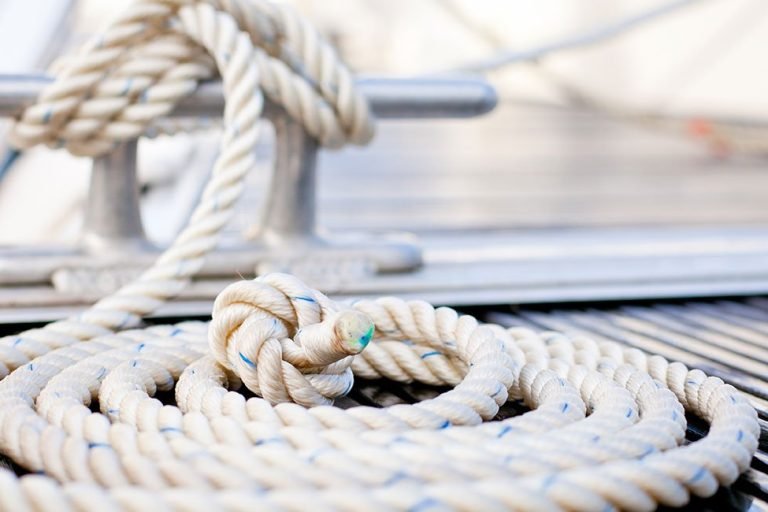
Master the art of marlinspike seamanship and learn the best kind of rope to use on your boat.
Make trailering your boat a smooth and stress-free experience with our seminar “Trailering Your Boat.”
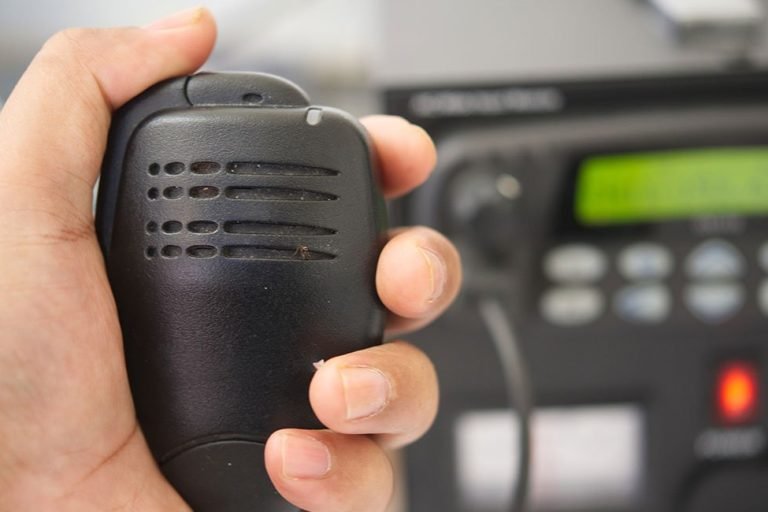
When communicating over VHF or SSB radio, use correct radio speak and the international phonetic alphabet as needed.

When trouble strikes, increase your odds of a successful search and rescue by following these tips.
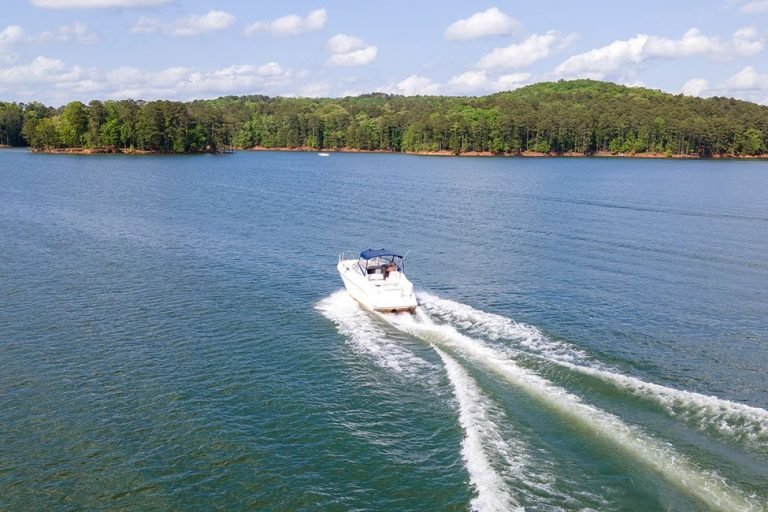
Using a spring launch checklist like the one below will help you start the boating season on a positive note.

Most boating accidents don’t happen out at sea but at home—in waters we travel regularly, at the dock or at the marina.
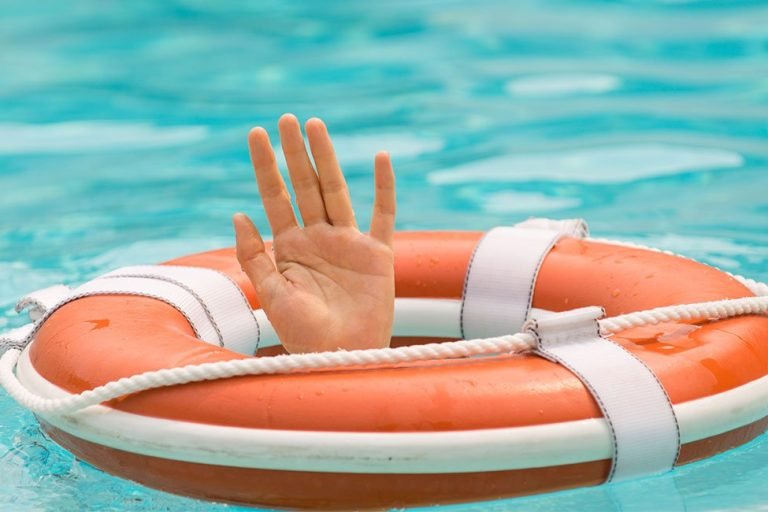
Man overboard prevention and recovery are essential skills for any boater to master.

Keeping your fuel clean will keep your marine diesel engine running reliably.
Troubleshoot your diesel boat engine’s common woes with these helpful tips.
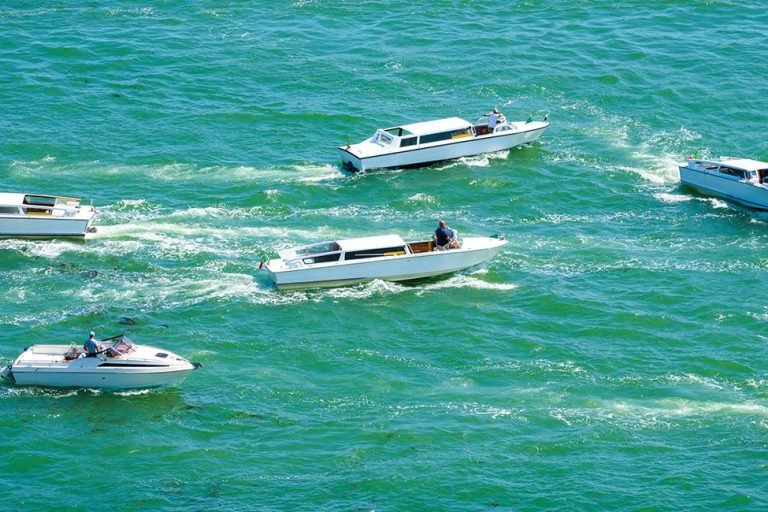
To prevent collisions, you should know the rules of navigation governing the movement of boats.
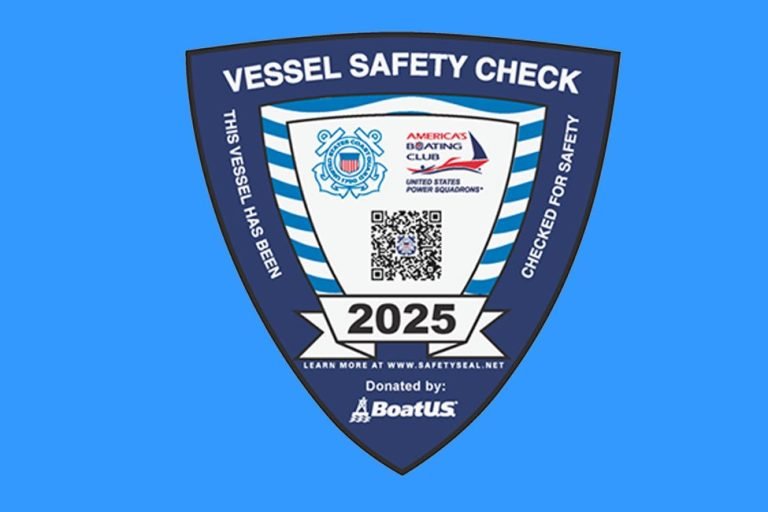
Regular vessel safety checks not only help you to comply with safety regulations but also give you a peace of mind when on the water.
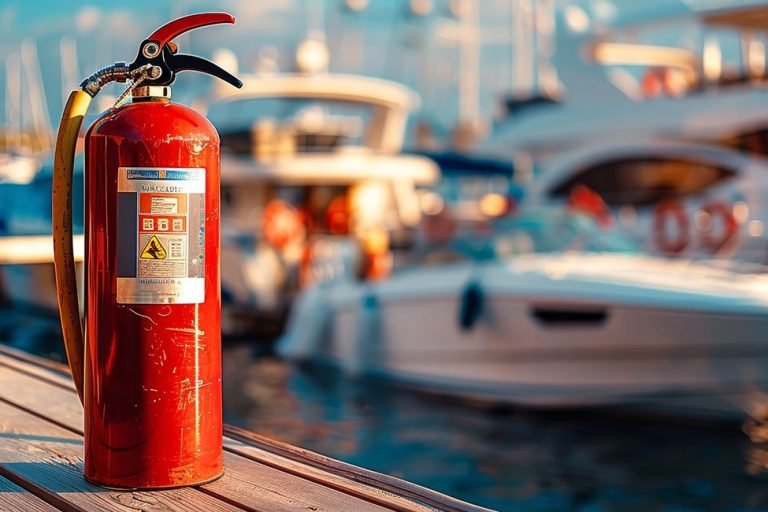
Follow these safety tips to prevent a costly and dangerous boat fire.
Protect yourself and anyone aboard your vessel with proper boat insurance.

Cold-water boating demands extra preparation, knowledge, and respect for the elements.
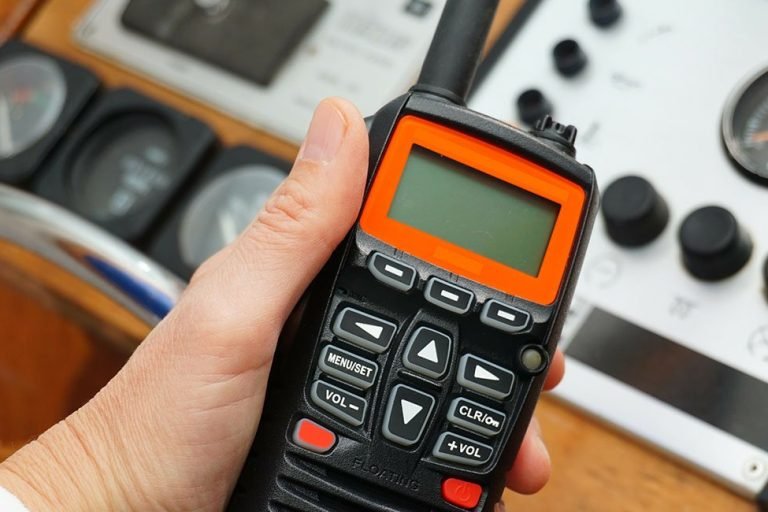
To improve effectiveness in the use of the VHF maritime band, new Marine VHF radios will display four-digit channel numbers.
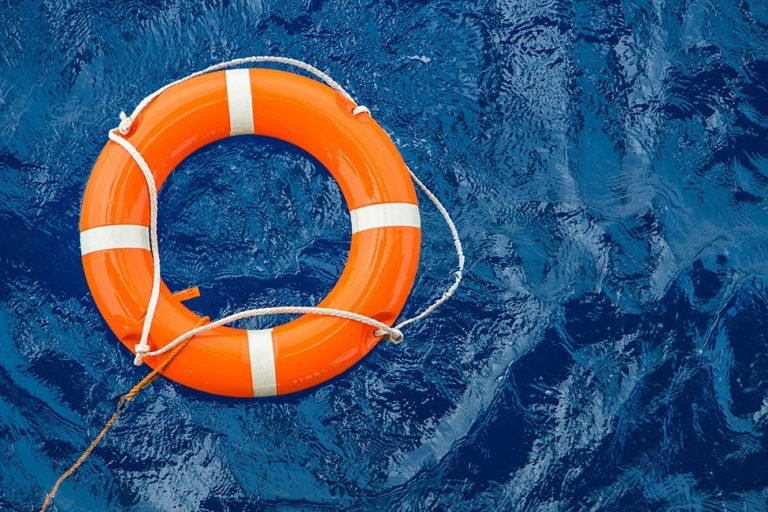
Throwable flotation devices, also known as throwable life preservers, are crucial safety equipment for vessels.

To prevent serious injury from a prop strike, set some strict rules for passengers and operators alike.
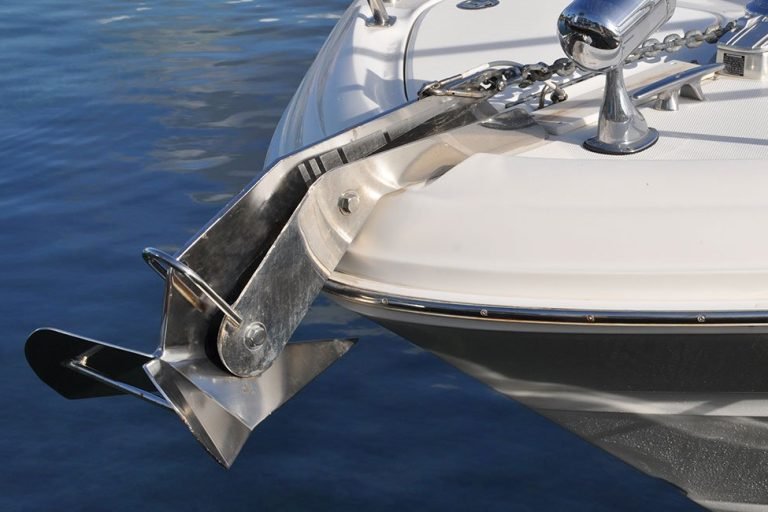
Every boat operator should master the art of staying put, so follow these tips for easy anchoring.

Boating in shallow water can be risky. Follow these shallow-water boating tips.

Knowing how to use distress signals can help you summon help in the event of an emergency.

Boat fuel weight can affect your vessel’s weight capacity and handling.


Paddle boating in a thunderstorm is a possibility all paddlers should prepare for.

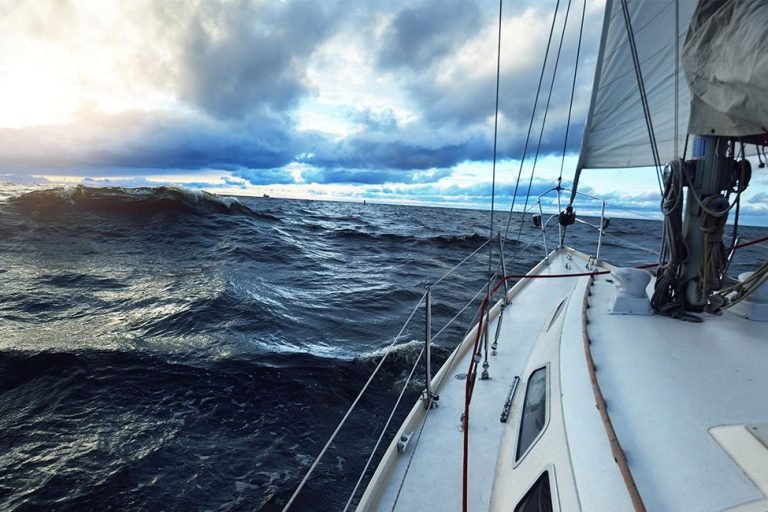
Before you go boating, you should know how to make good weather decisions.

Fatal electric shock drowning incidents occur every year. Learn what you can do to prevent it.

Better boating decision-making can help you operate your boat safely while avoiding accidents.

Even if you have GPS on your boat, marine radar can provide crucial information when you’re on the water.

While the U.S. Coast Guard’s 2023 Recreational Boating Statistics show that injuries and fatalities are down, we, as boaters, can do more to save lives.

This National Safe Boating Week, follow these tips to safely enjoy boating all summer long.
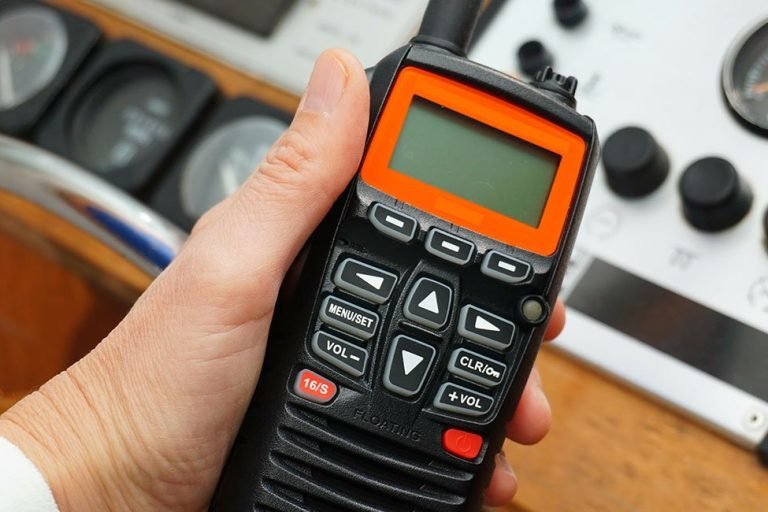
Whether you’re travel along the coast or far offshore, find out what tools you need for on-the-water communications.

Make informed decisions before setting out on the water by making a go/no-go checklist.
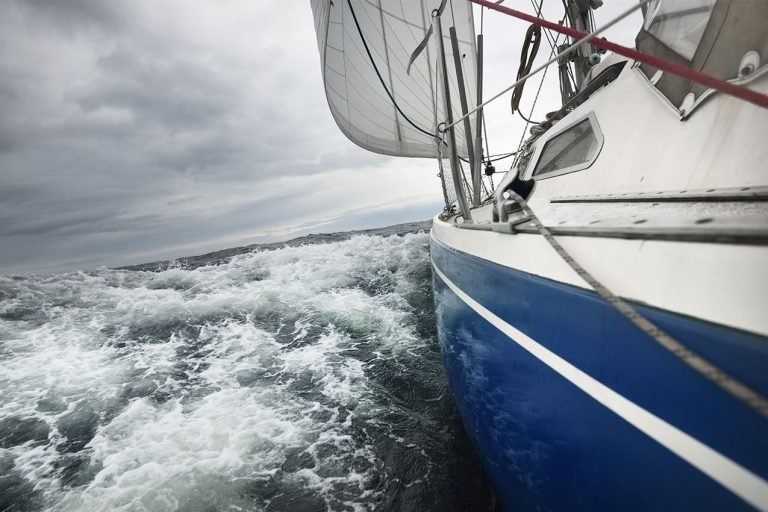
Before setting off, make sure to take steps to safeguard your boat and your passengers against heavy weather.

To practice marina docking safety, you’ll need to know the types of docks and weather conditions you’re apt to find at the marina.

With plastic making up the main type of marine debris, boaters can do their part to help eliminate marine litter.

Spring is around the corner. Avoid disaster this boating season with these tips for fitting out your boat.

Boating isn’t all smooth sailing when storms come into play, so learn how to anticipate rough weather.
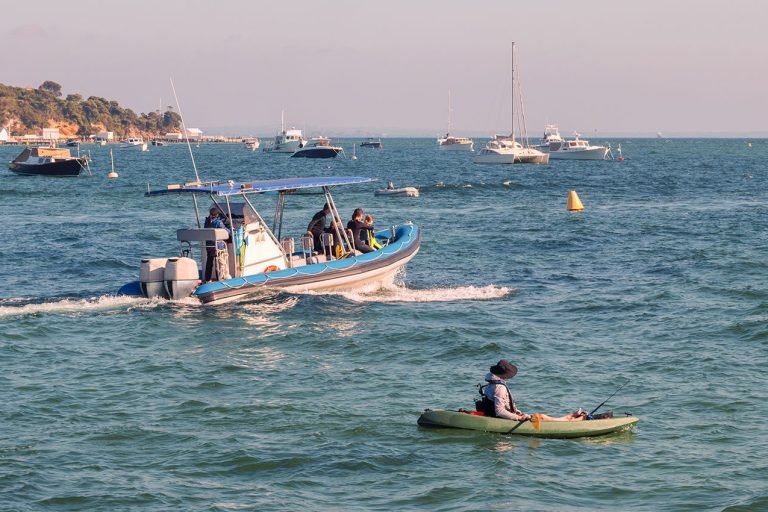
Whether you’re in a boat or in a kayak, you can take steps to avoid a collision.
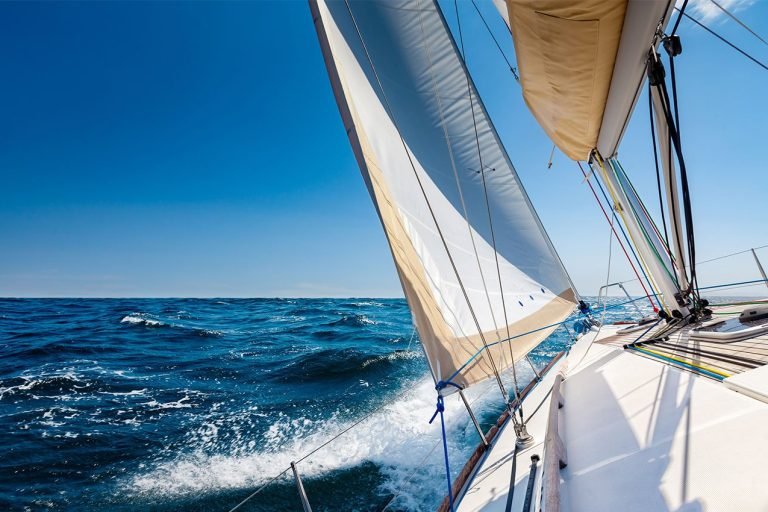
When preparing to sail, make sure you know the dos and don’ts of bending-on, hoisting, lowering, and storing sails.

Got plans for a trip this coming boating season? Get an early start on your cruise planning.

Planning time on the water for your family but don’t know where to begin? Start small with paddlesports.
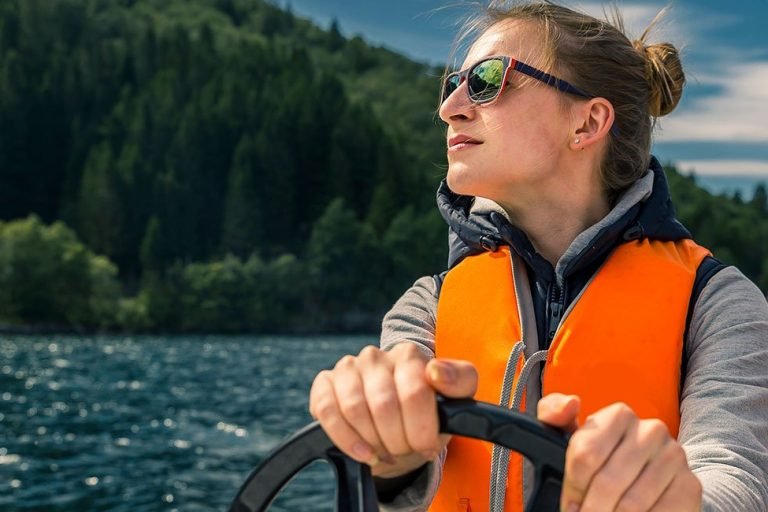
Operator lookout errors can be a recipe for disaster on the water. Take care to avoid becoming a statistic.
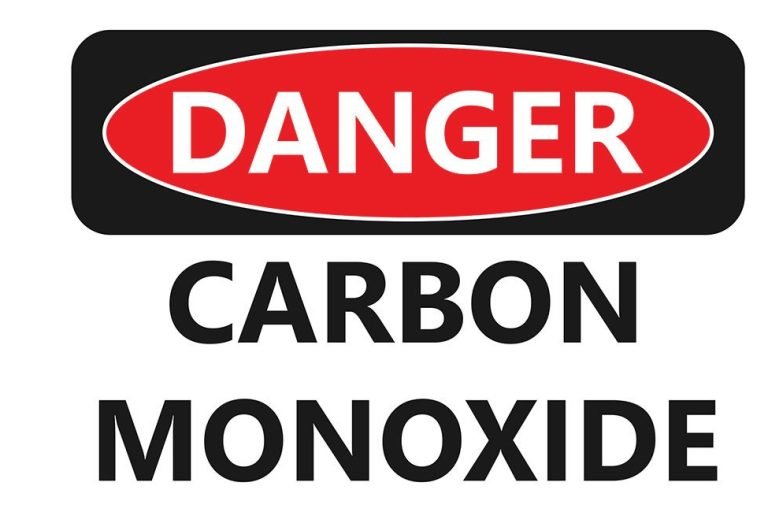
Carbon monoxide can be lethal. Follow this checklist to prevent CO poisoning aboard your boat.
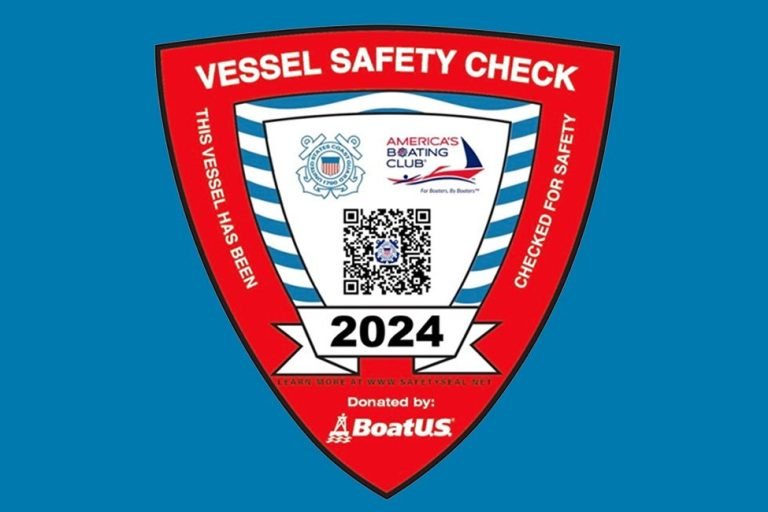
Get a Vessel Safety Check before the boating season begins. Pass or fail, here’s what you can expect.
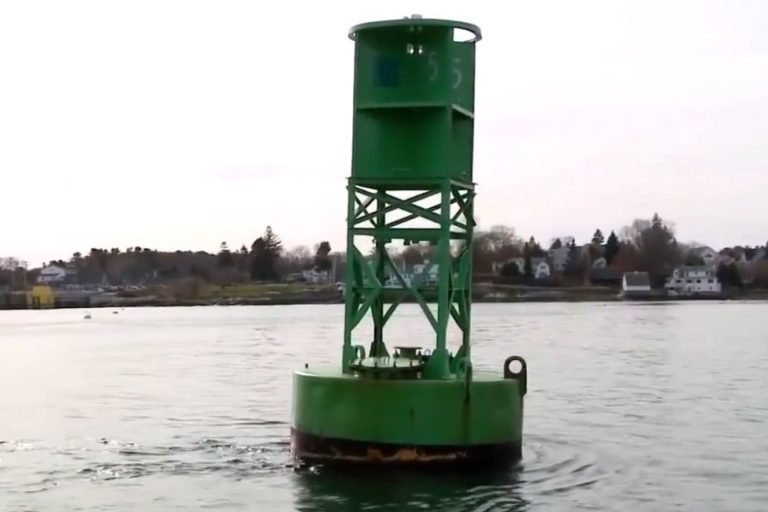
AIS ATONs transmit information that helps boaters navigate safely.
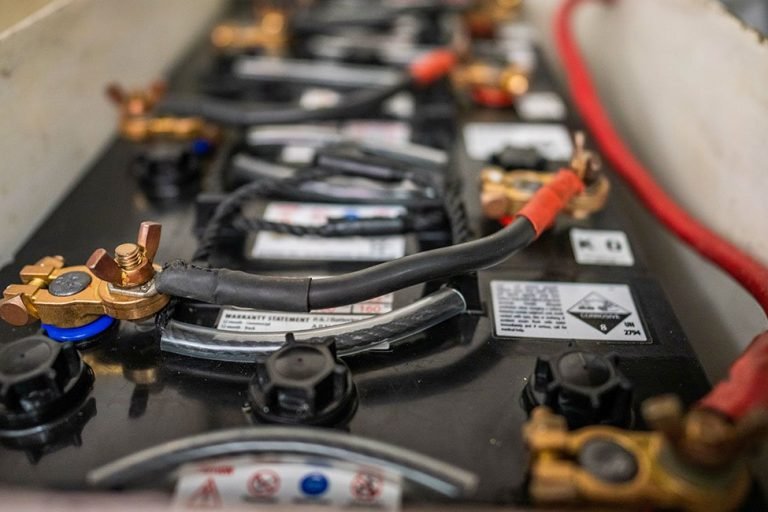
Follow these three simple rules to charge your boat batteries safely.
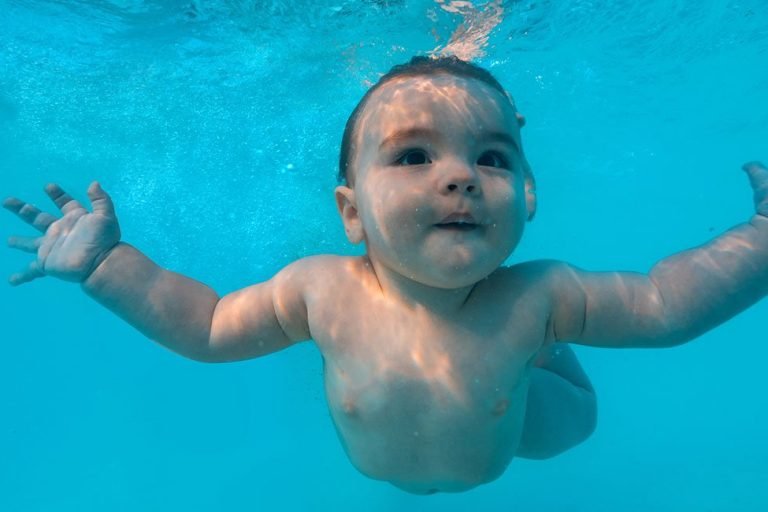

Buying the right size bilge pump and performing regular maintenance checks will help keep you afloat.

These helpful navigation checks teach you how to compare your visual bearings with your instruments.
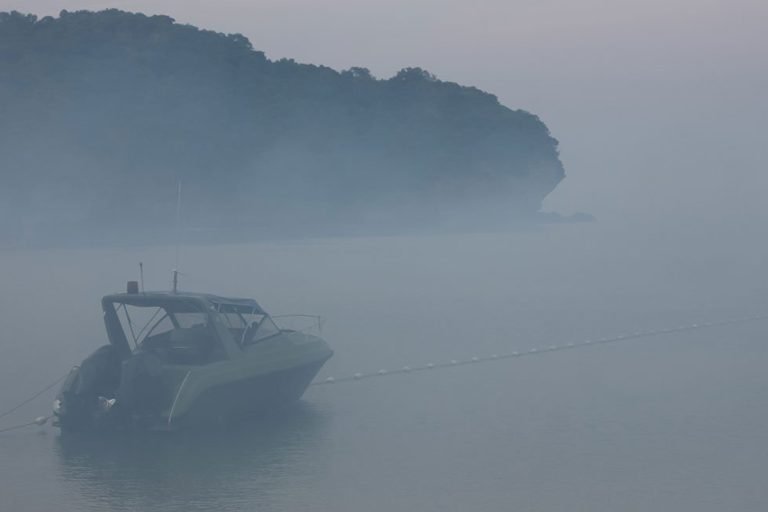
Navigating in fog can be risky. Boaters should have a plan to navigate safely.

Everyday tools such as smartphones and mobile apps make marine navigation easier than ever.
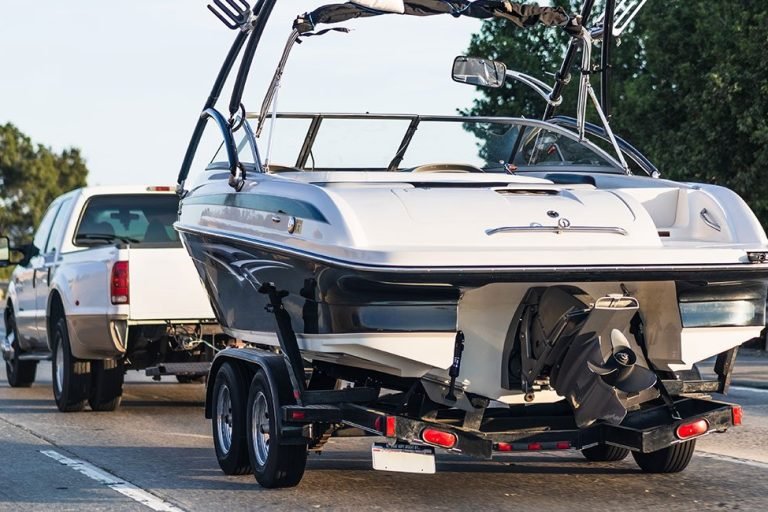
When it comes to trailering, picking the right towing vehicle for your boat matters.
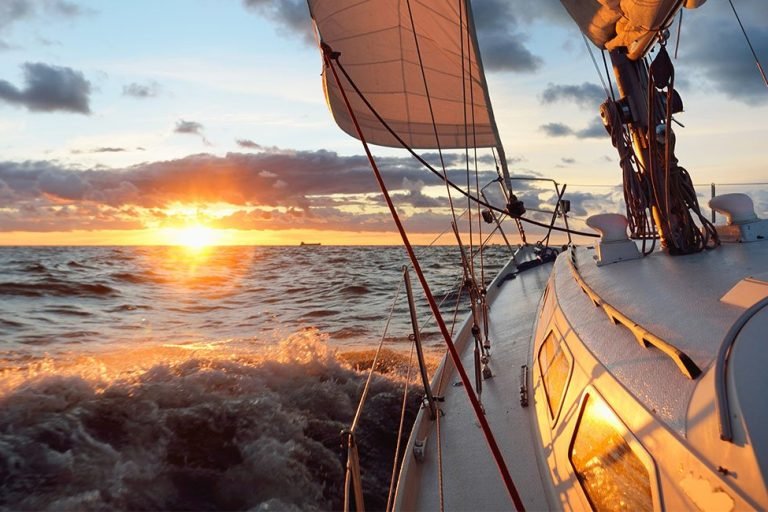
Nighttime boating can be challenging, but boaters can take precautions to safely operate their boats in the dark.

Avoid these common mistakes and take simple precautions to limit carbon monoxide exposure.
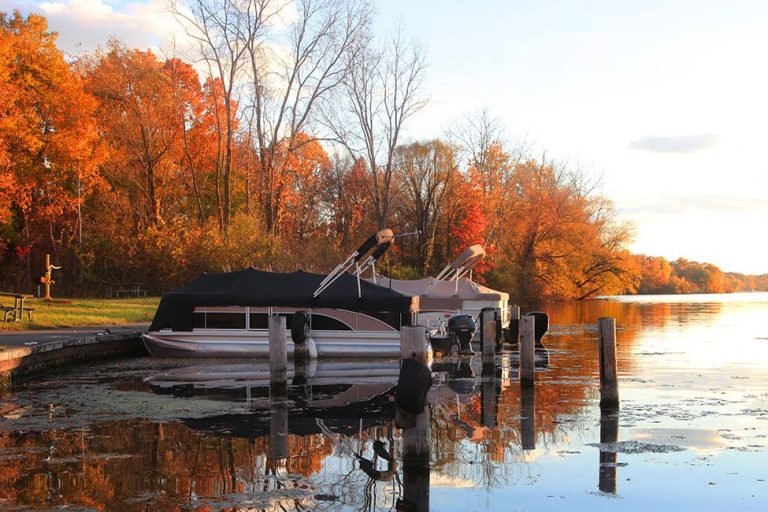
Follow this essential fall boating preparation to avoid surprises in the spring.

Brief your crew before setting out for a day on the water. Tell them where to find safety equipment and how to operate emergency equipment.
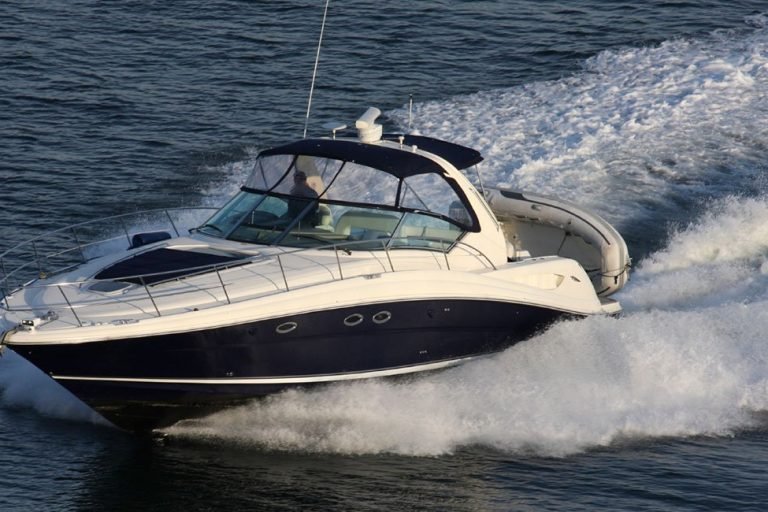
Learning to read the waves will make you better able at handling your boat on the open sea.
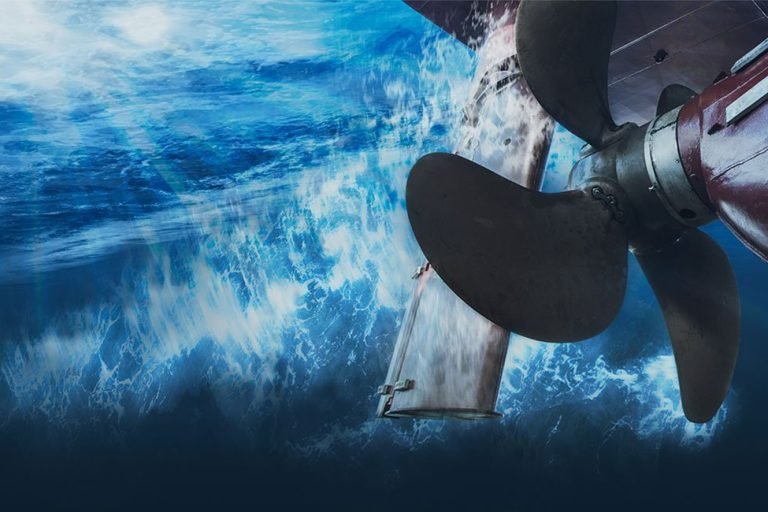
Follow basic propeller safety to avoid causing injuring to anyone in the water.
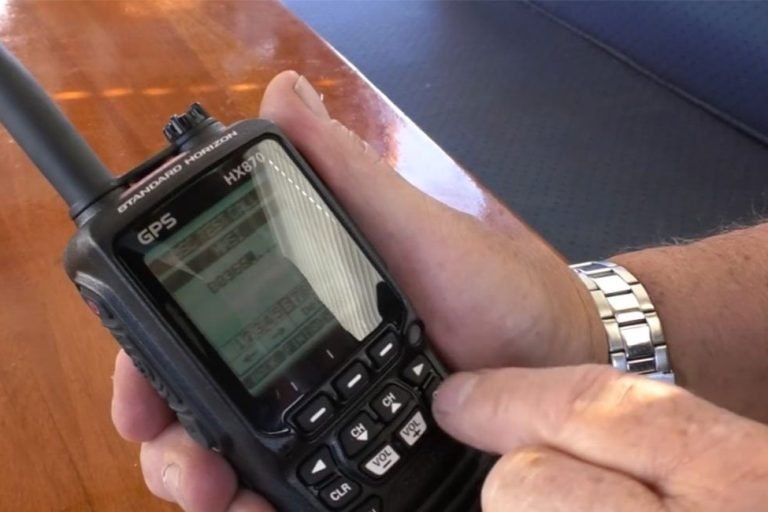
Having a Maritime Mobile Service Identity, a nine-digit code unique to each vessel, is crucial in the event of an emergency.
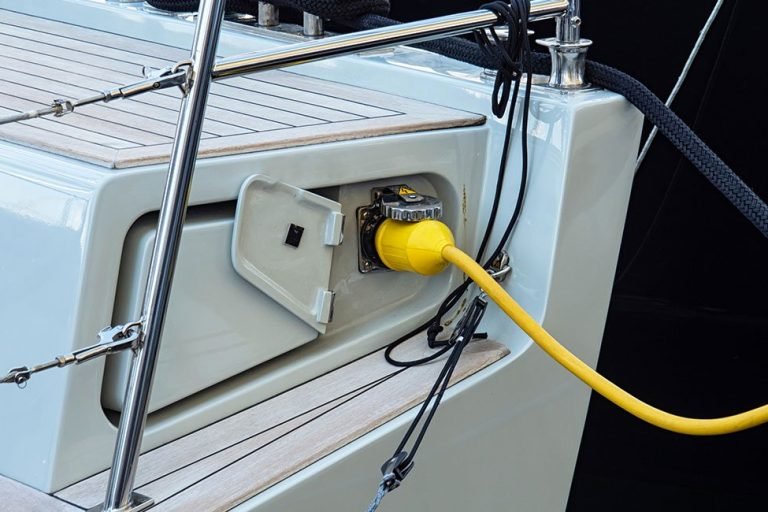
Use a portable GFCI when you’re out on the water or working in wet areas to keep yourself safe.
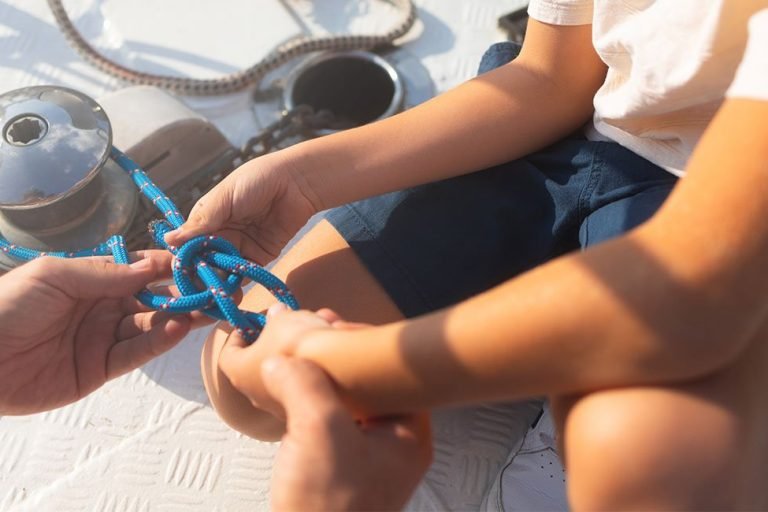
Take care when choosing dock lines to tie up your boat both at home and away.
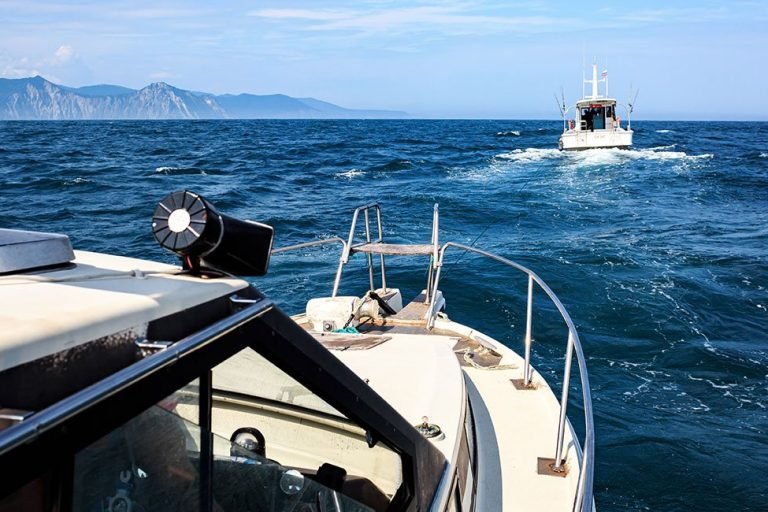
Whether you’re at the helm of the towing boat or the boat being towed, learn how to tow a boat safely.

Whether under sail or power, these tips to anchor your boat will help keep you safe on the water.
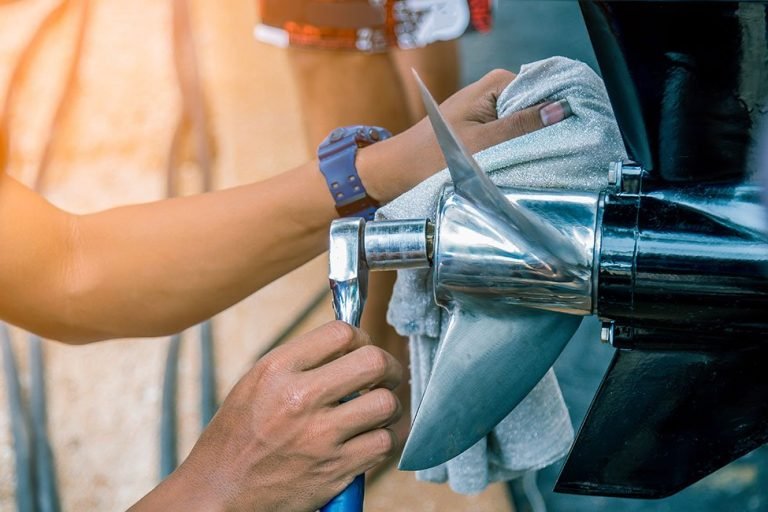
Keep an onboard checklist of all the tools and supplies you might need before any trip on the water.

Maximize your fun on the water this summer by following these personal watercraft safety tips.

Keep yourself safe this boating season: Don’t forget sun protection on the water.
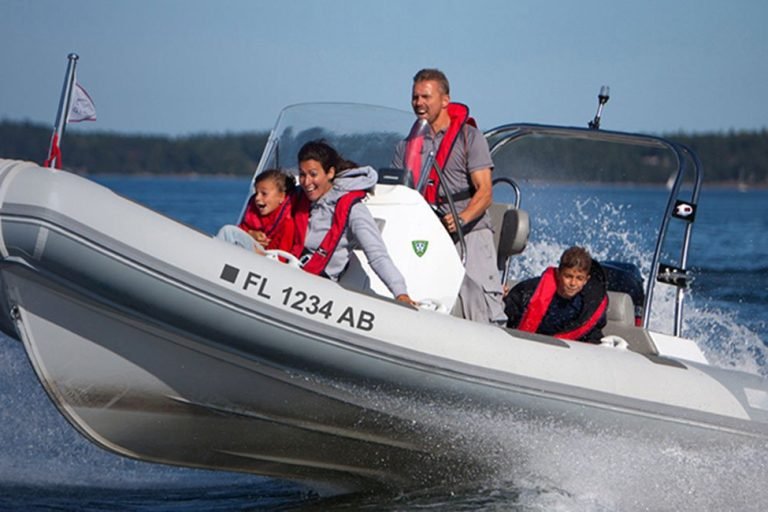
Improve your boat’s performance by learning how to trim your boat. Check out these helpful tips to get you started.
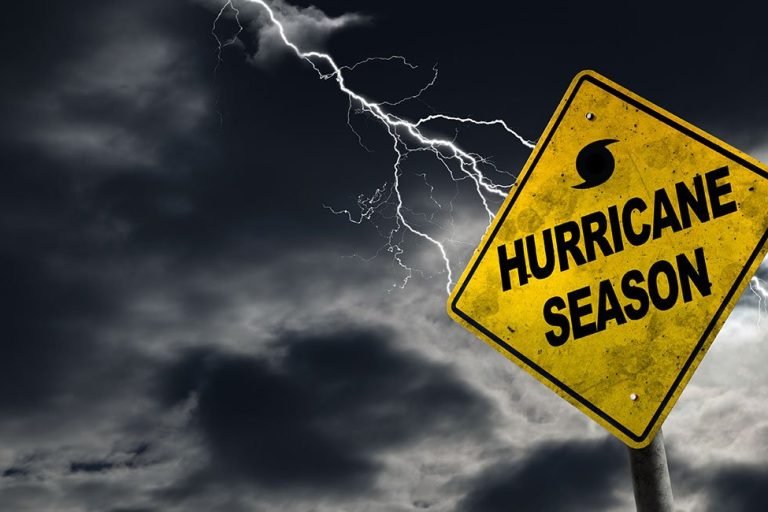
Ready for hurricane season? Learn what to do and how to keep your boat safe when a hurricane threatens.

Follow these practical tips when boating with pets to keep your best friends safe on board.


Do your part to protect our waterways by following these eco-friendly boating tips.

Master boat line handling like a pro. Learn these three simple techniques: tying up, heaving, and coiling.

Whether you’re planning to take your boat to the lake or a distant destination, consider these tips to make your boat trailer-ready.

Navigating an inlet can be tricky and dangerous. Know how to run an inlet before you encounter one.
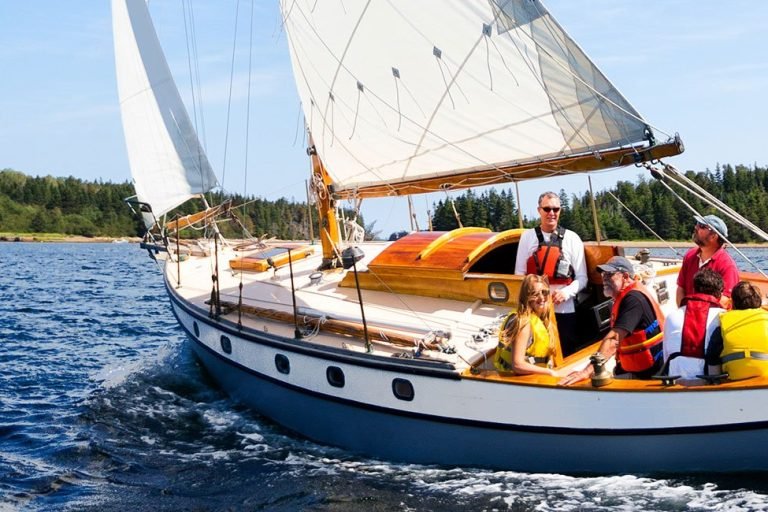
Before hitting the water, use this spring pre-launch checklist to make sure your boat is ready for boating season.

Learn how to predict the weather on your boat. Master the fundamentals of onboard forecasting to refine the official forecast.
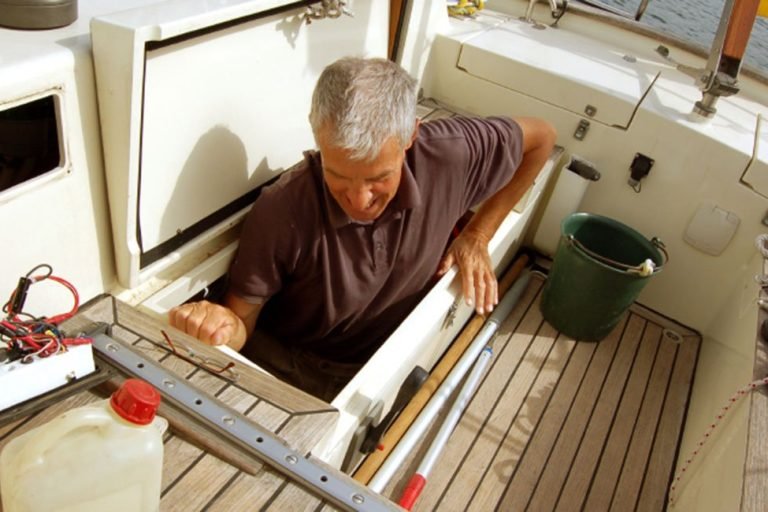
DIY boat projects come with their own risks. You can minimize these risks by following a few safety tips for DIY boat repair.
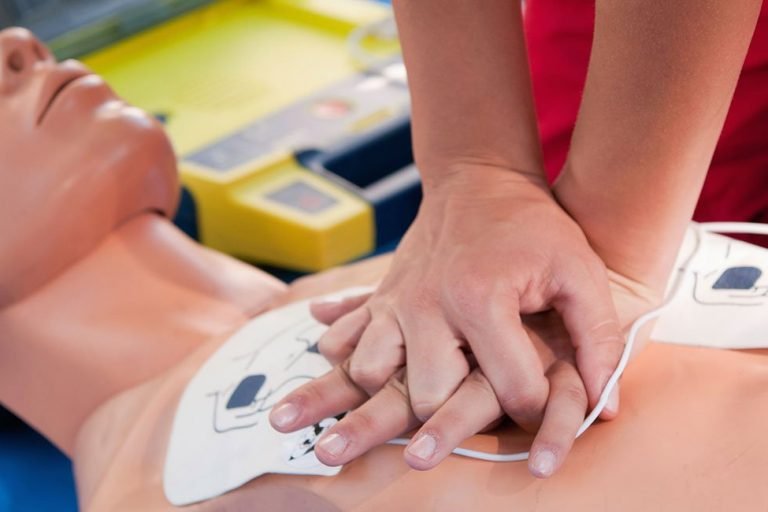
During a cardiac arrest, knowing CPR and how to use an AED can save a life.
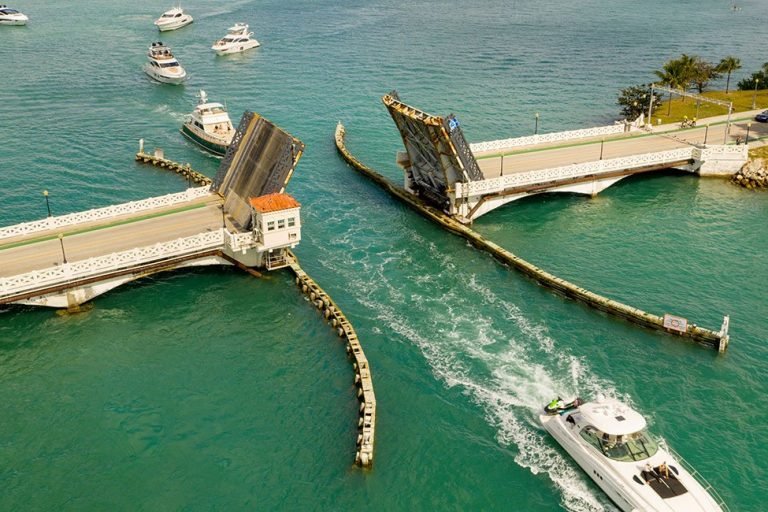
Don’t get stuck: Learn the basics of navigating bridges by boat.
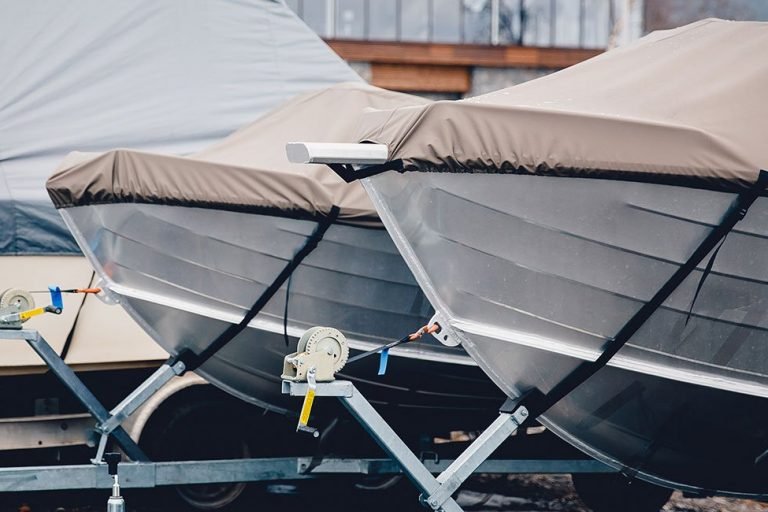
Don’t neglect your boat in the off-season. Regular winter boat maintenance ensures your boat is ready for spring.
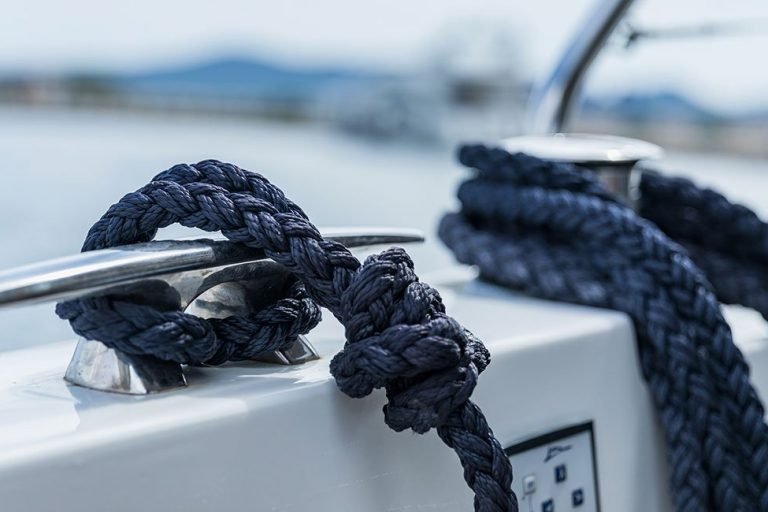
Tangled docking lines on your boat can be a serious hazard, so keep them in order with these organizing tips.
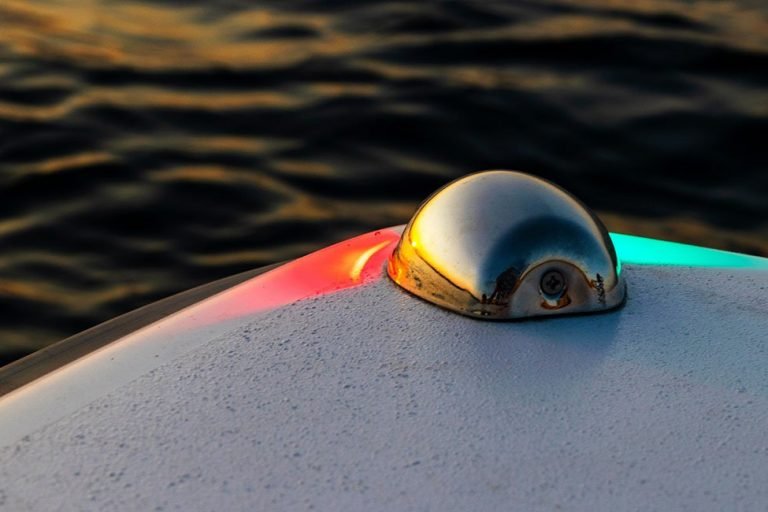
Check your boat’s navigation lights to ensure that they meet regulations and will work when you need them.
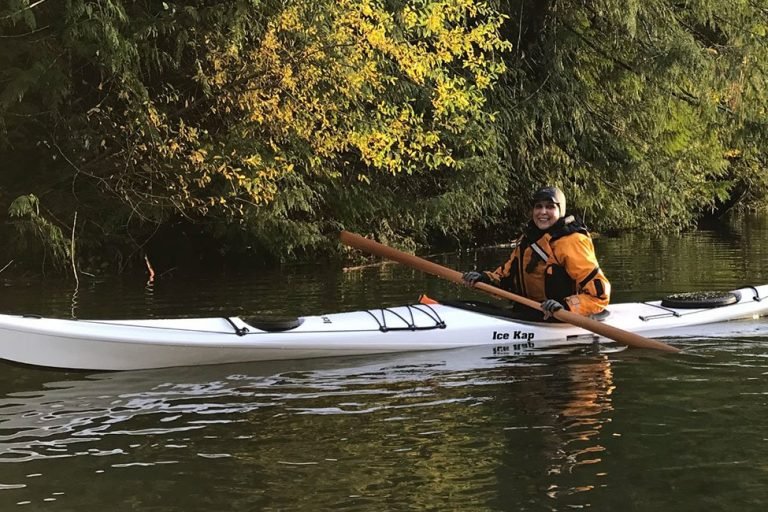
Wearing the proper cold-weather clothing is your best defense against hypothermia when boating in cold water.
Learning proper pump out safety can spare the environment, your boat and your wallet.

With cooler temperatures upon us, follow these tips to winterize your boat for winter.

Inland waters change constantly, so river boating requires skill, practice, and knowledge.
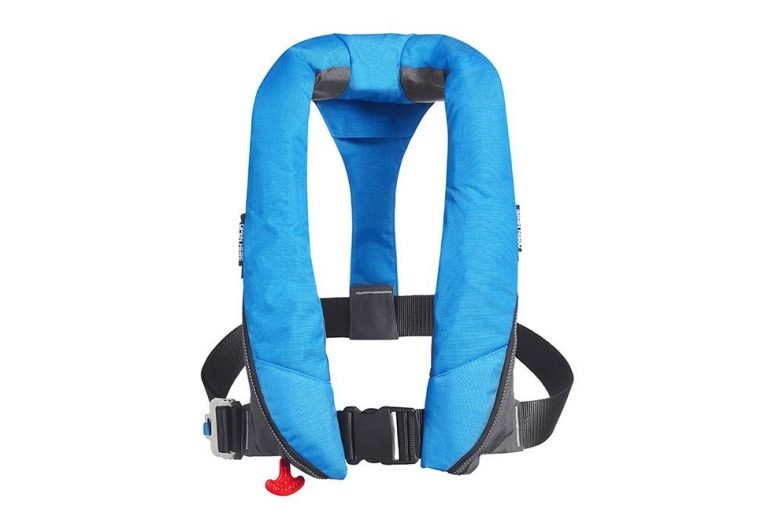
Check your inflatable life jacket for problems before your life depends on it.

Fueling your boat can be a dangerous task, so follow these seven fuel dock safety tips to avoid potential disaster.
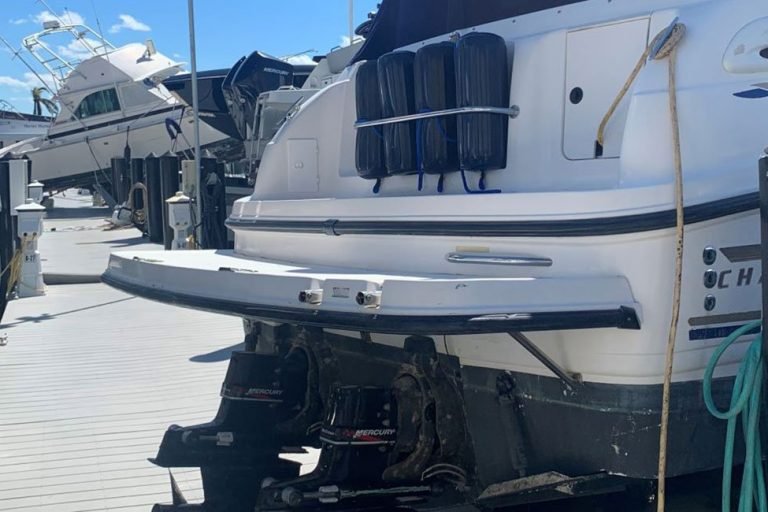
To recover your boat after a hurricane, follow these tips and get back on the water sooner.

You can never be too prepared on the water: Practice these boating safety drills to stay safe.

Electric shock drowning can be prevented by taking the appropriate precautions at docks, marinas and in the water.

You don’t have to put away the boat just yet; follow these tips to enjoy safe fall boating.
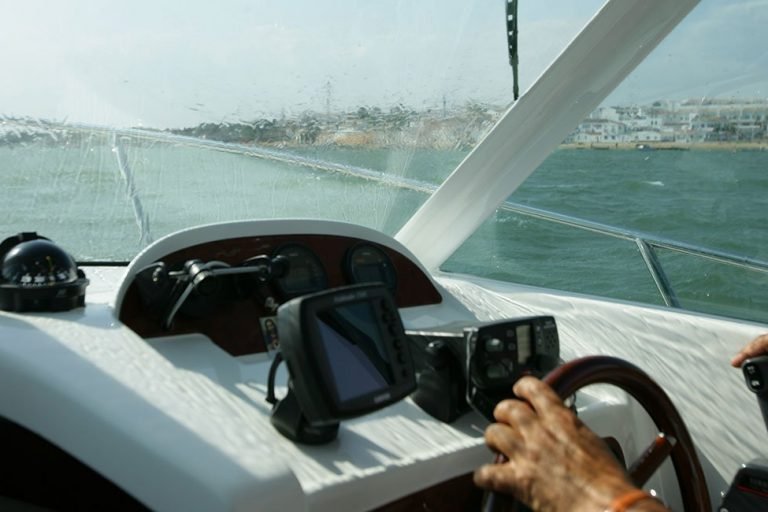
Want to be a valued crew member? Learn to crew at the helm so you can safely operate the boat in an emergency.

Keep your boat afloat. Beef up your onboard emergency kit and follow these tips to stop a boat from flooding.
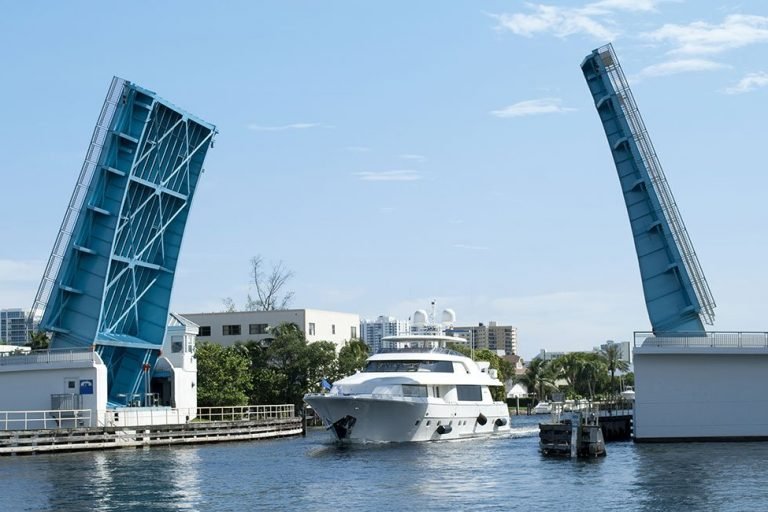
To navigate bridges safely, boaters should be aware of bridge safety and protocol.
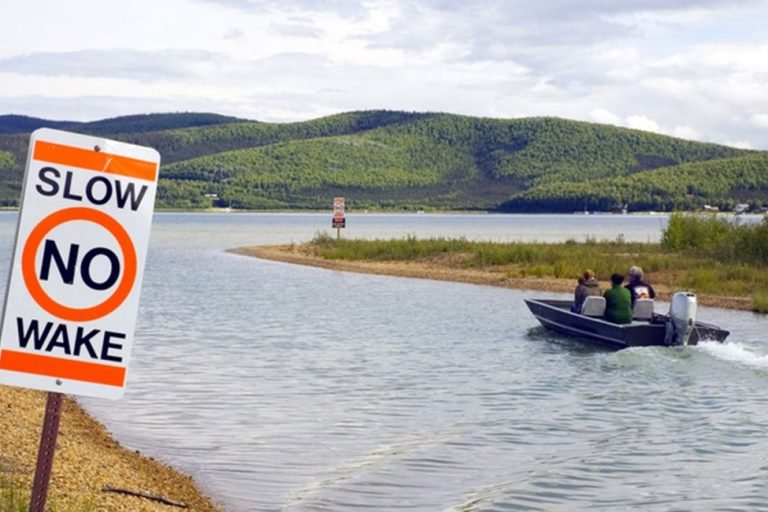
Your wake can have a serious impact, causing property damage or bodily harm, so pay attention.

Rising rivers and flood waters can endanger you and your boat, so follow these flood safety tips to stay safe.

Follow these five maintenance tips for cruising to ensure a safe and trouble-free voyage this boating season.

Keeping a man overboard rescue kit on your boat increases your chances of rescuing someone in the water.

Don’t let overexposure to the sun and humidity ruin your day on the water. Take these steps to avoid hyperthermia.

NOAA predicts an above-normal hurricane season for 2022. Hurricane preparation for boaters can keep your boat safe.
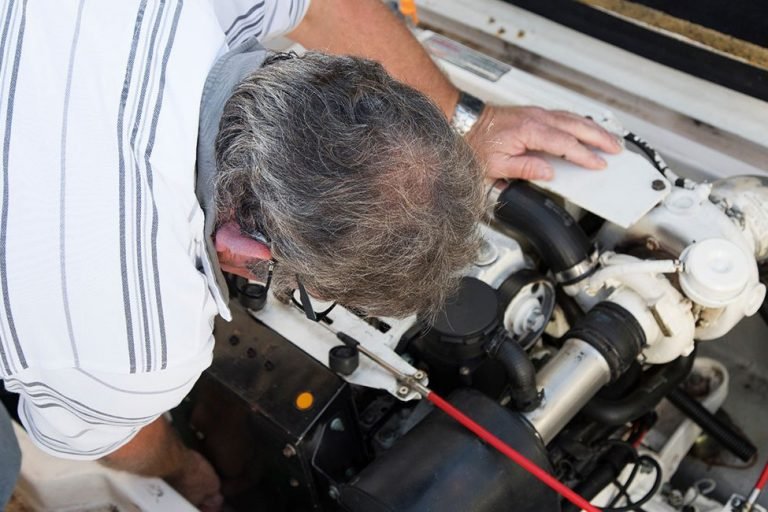
Learn how to perform routine boat engine maintenance to keep your boat cruising through boating season and beyond.
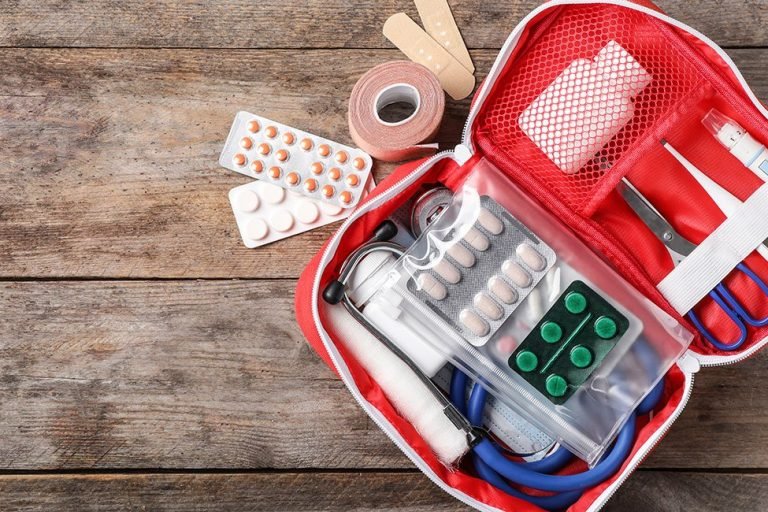
Build your own first-aid kit for your boat by stocking it with basic supplies to treat any ailment.
This National Safe Boating Week, America’s Boating Club reminds boaters to practice safe boating behaviors.

Maintain your bilge pump to keep water where it belongs: outside your boat.
Learn how to launch a boat safely so you can be prepared for anything before you cast off.
Condensation in your marine fuel tank can damage your engine, so make sure you top it off.
Coast Guard issues new fire extinguisher regulations for recreational boats, which go into effect April 20, 2022.

In the event of cardiac arrest, knowing how to use an AED could save a life. Keep one on your boat in case of an emergency.

When operating your boat at night, make sure you know what the various navigation lights mean and when to use them.
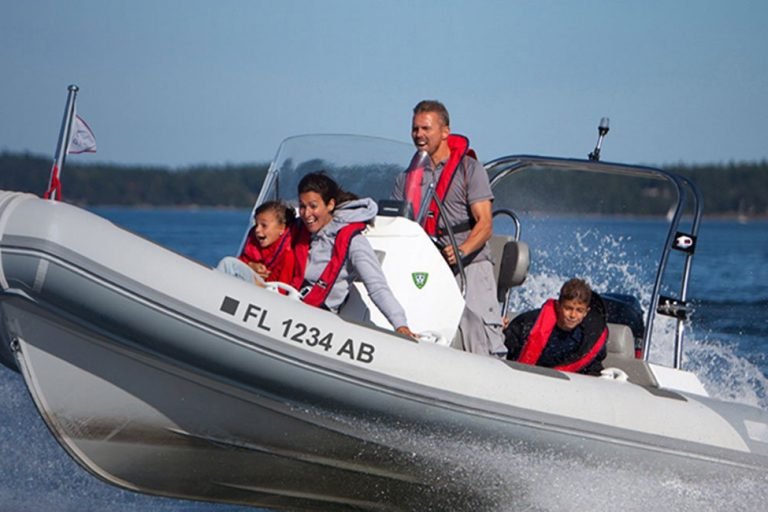
Learn what top three factors to consider when determining a safe operating speed for your boat to avoid collisions.
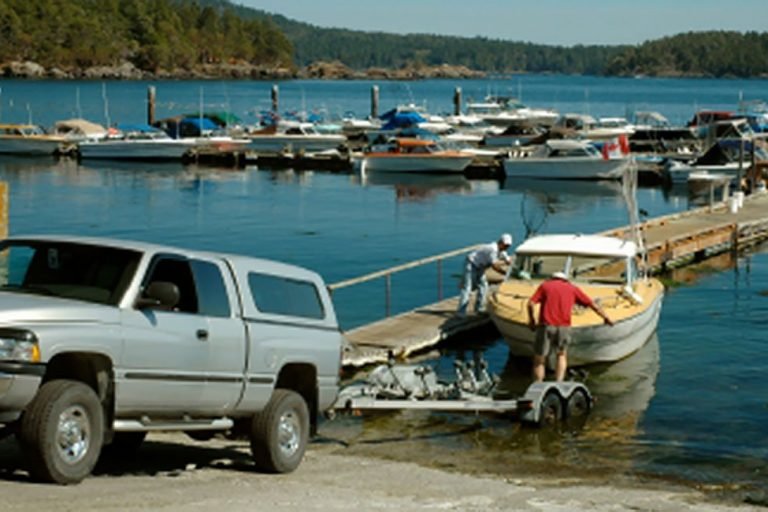
Follow these tips for safe trailer boating to get your boat over the road and onto the water without incident.
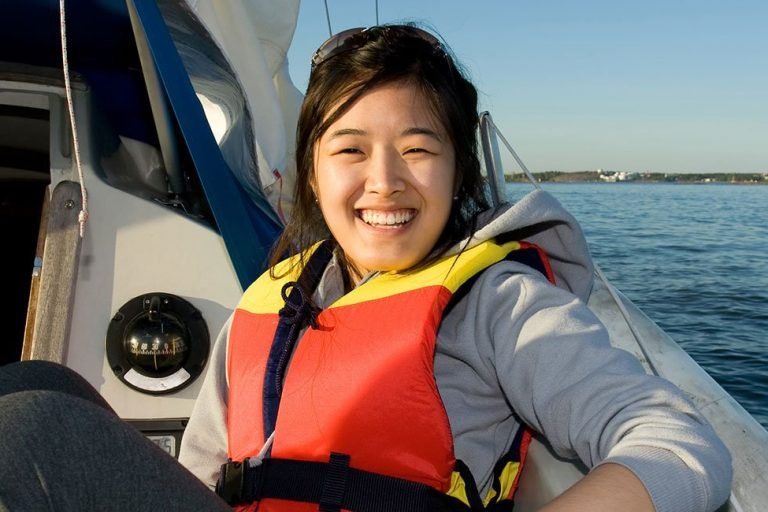
Choose with care what personal boating gear to wear onboard to keep you safe while having fun.
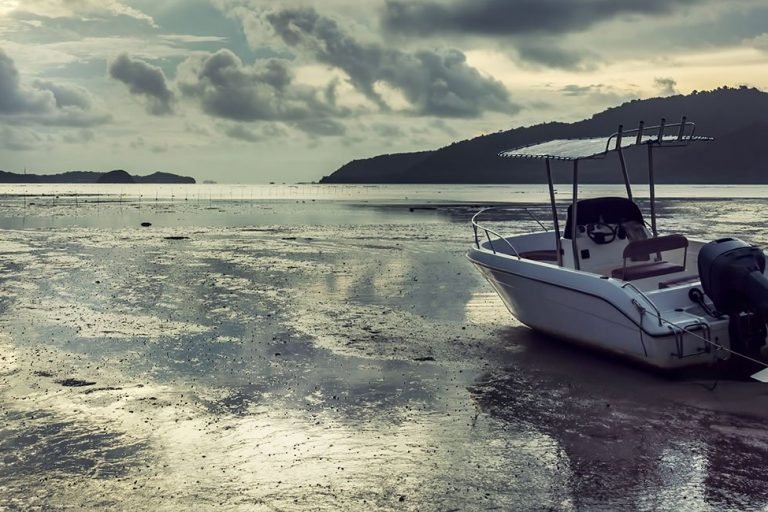
Going aground on a soft bottom doesn’t have to leave you stranded. Try kedging off to pull your boat into deeper water.
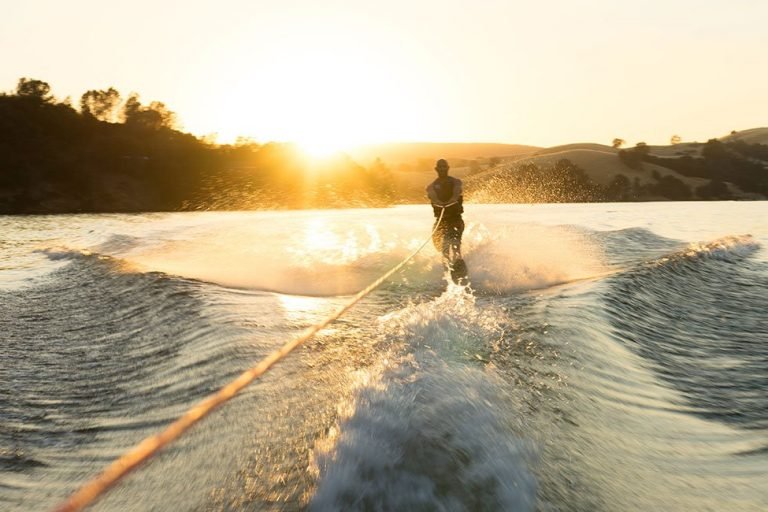
Pulling friends and family on the water can be fun, but be sure to follow these watersports towing safety tips to keep riders safe.

With regular winter boat checks, you can ensure that your boat is safe, sound and well-equipped to hit the water this spring.

By following a few simple tips, you can safely enjoy holiday boat parades this year.

Understanding the difference between civil twilight and nautical twilight can help you better plan boating activities.
Follow these tips to safely navigate the elements while visiting the boatyard in winter to check on your boat.

Proper boat battery care can extend the life of your marine batteries. Find out how to care for them properly.
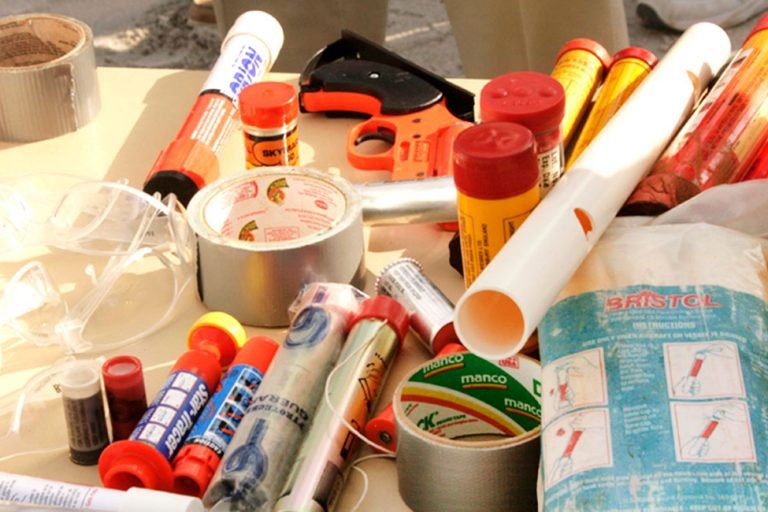
Do you know what distress signaling devices you need for your boat? Don’t wait for an emergency to find out.
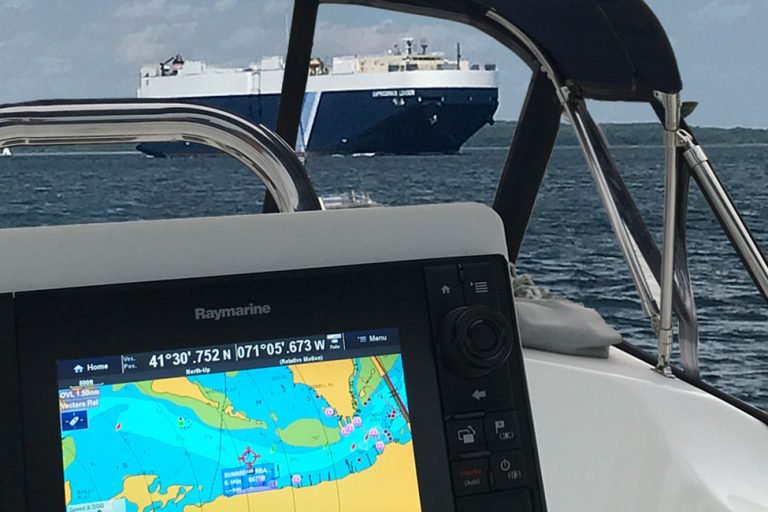
An Automatic Identification System can help you avoid collisions and make better decisions in crowded waterways.
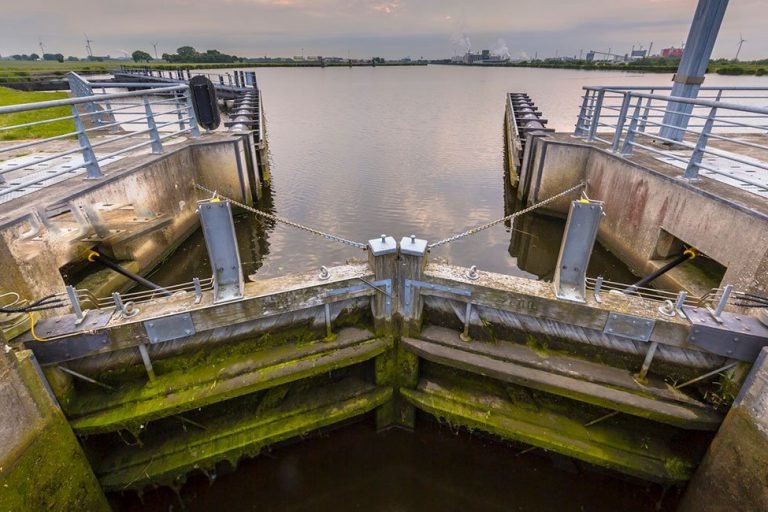
Traversing a lock may seem complicated, but it’s not difficult when you know what to do and how to lock through.
Wind can be hard to predict and harder to handle. Learning how to handle your boat in wind takes practice, preparation and local knowledge.
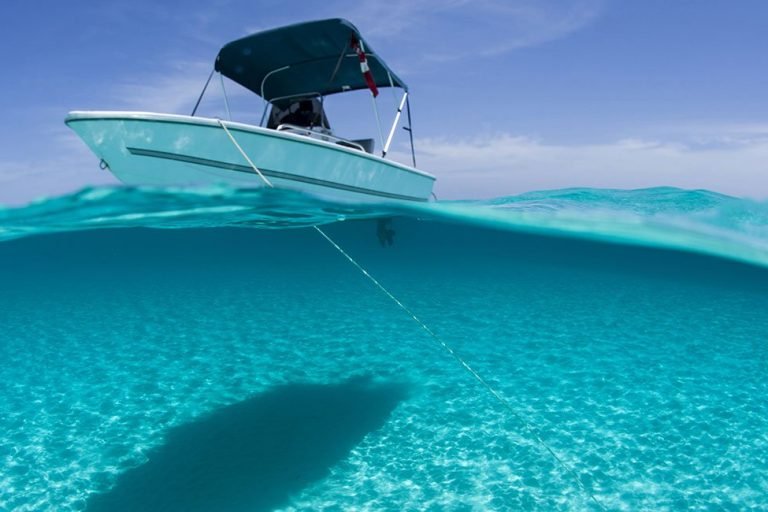
Maintaining your boat’s safety and stability depends on knowing how to choose an anchor line and anchoring system that’s right for your boat.

Get a head start on spring commissioning by winterizing your outboard engine this fall so you’ll be ready to launch for boating season.

U.S. boaters must follow local, state and federal requirements for boat registration and documentation.
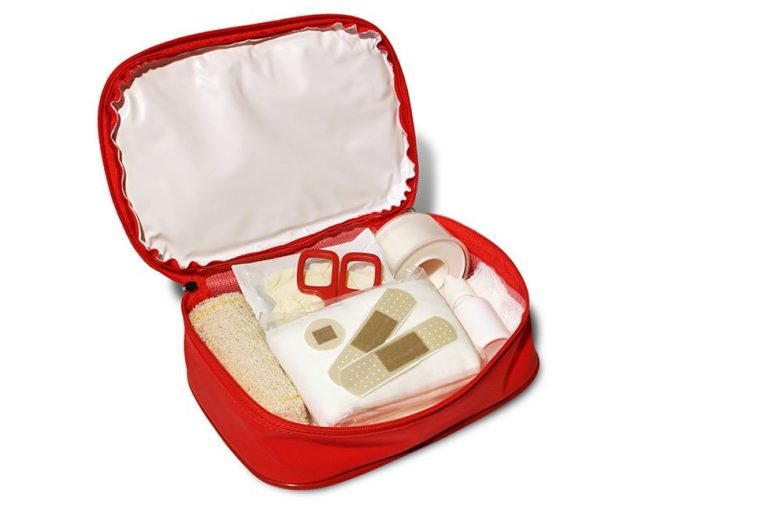
Make sure you’re prepared to deal with medical emergencies at sea by learning how to treat injuries and illness onboard.

Don’t have time to get to port? Know how to prepare your boat for rough weather in harbor and at sea before storm clouds threaten.

When prevention fails, know what to do if your boat capsizes. Always stay with the boat to help with rescue efforts.
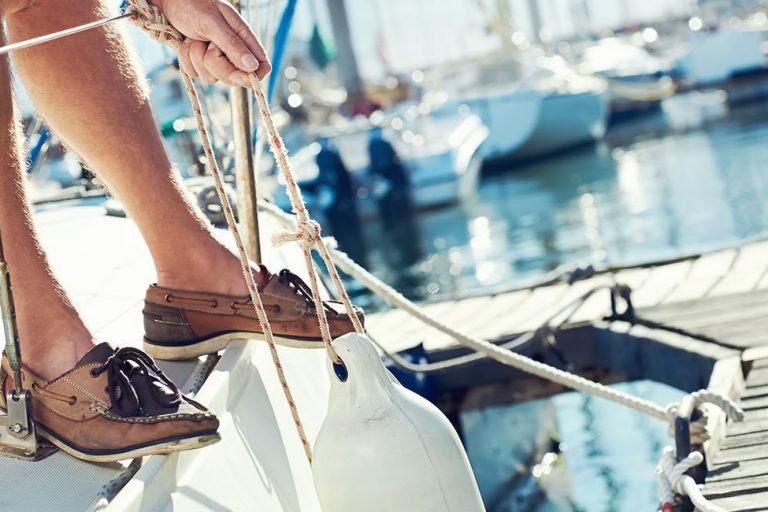
Learn how to leave the dock safely in any situation, no matter what type of boat you have or where you boat.
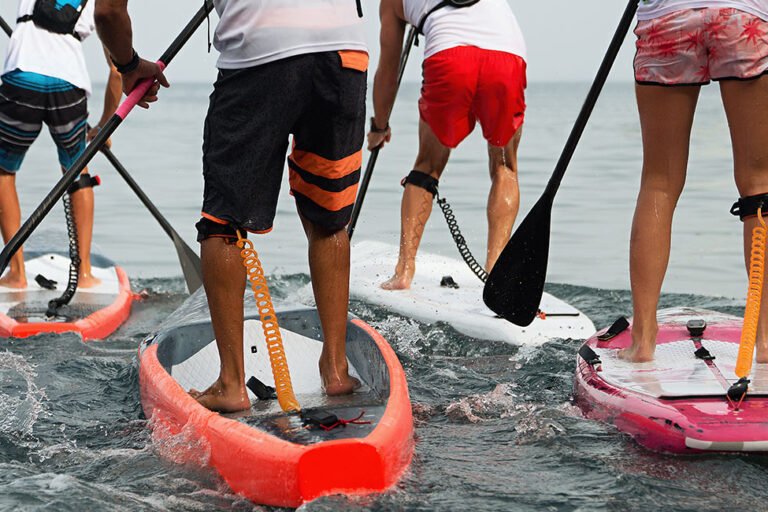
Paddle sports like kayaking and canoeing are fast-growing water activities. Follow these tips for paddle sports safety.

Boater’s fatigue results from exposure to environmental stressors on the water that impair a boater’s mental and physical performance.
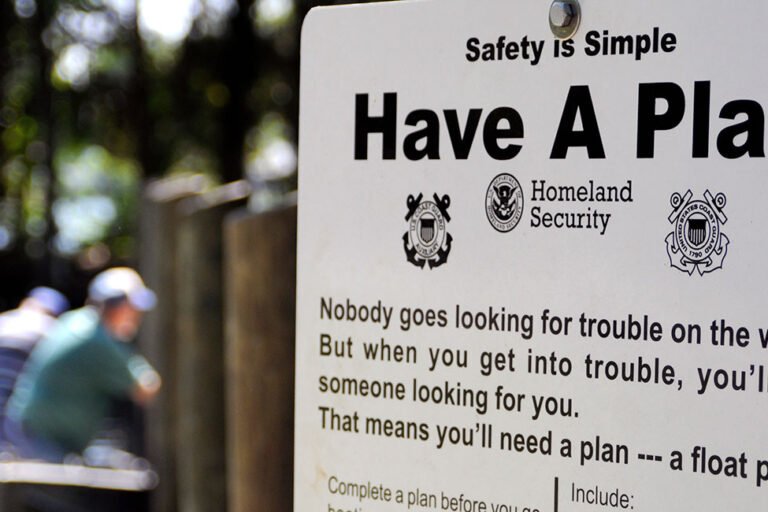
If your trip on the water goes awry, a float plan could literally save your life. Make sure someone on dry land has a copy.
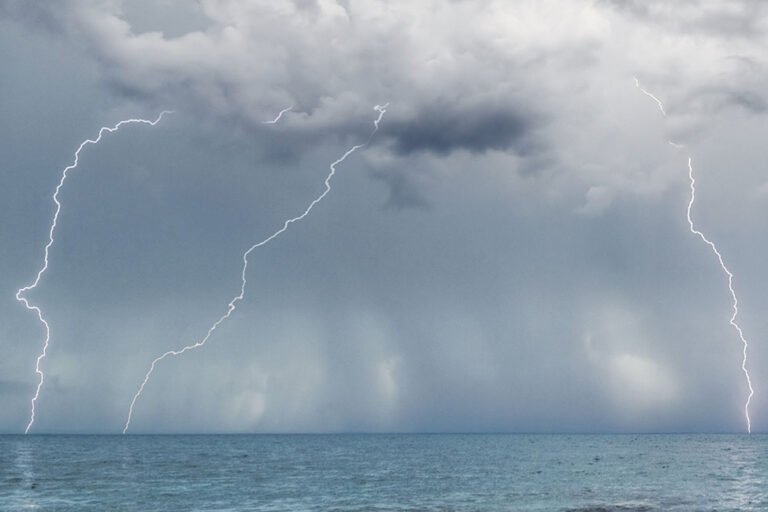
Protect yourself and your boat from lightning strikes on the water by recognizing dangerous conditions and taking immediate action.

Learn everything about marine fire extinguishers: what size, type, and number to carry, where to mount them, and how to maintain them.
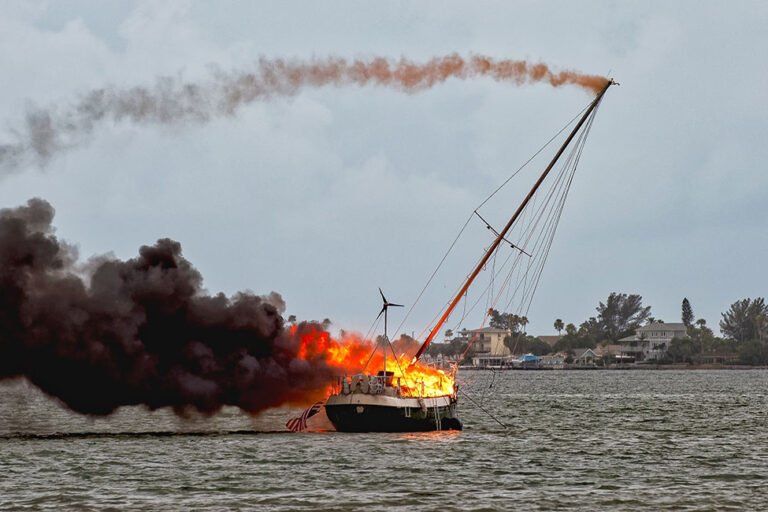
When it comes to handling a fire on board, the captain should take immediate action to ensure the safety of passengers and crew.

You should make every effort to detect other boats and make your presence known to them.

While storing your boat on land may be the best way to protect your boat, you do have alternatives.

Get yourself, your passengers and your boat ready for boating season.
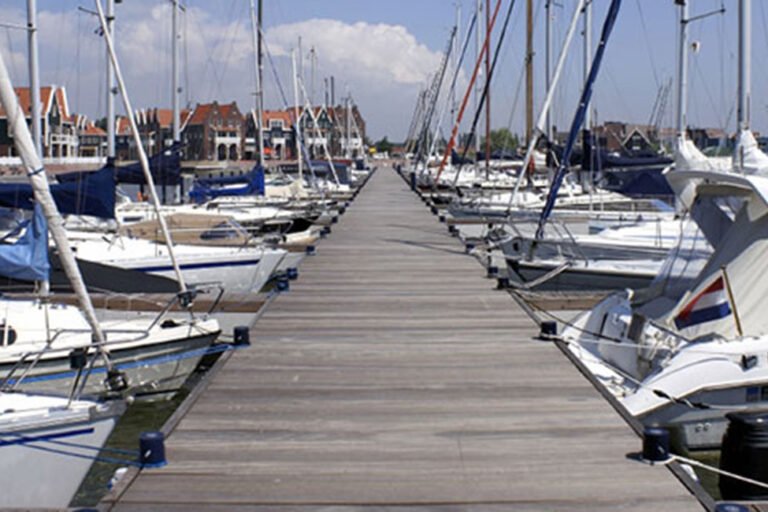

Learn how to call mayday on your VHF radio in case of a life-threatening emergency.
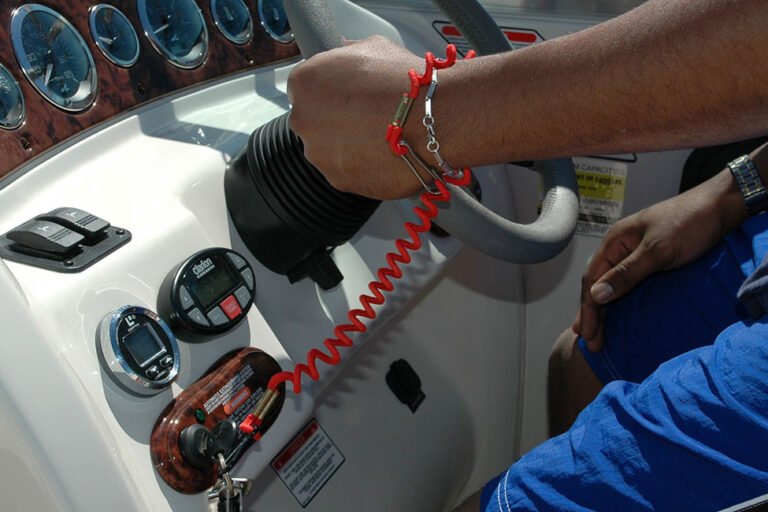
Does your boat meet the latest requirements for engine cutoff switch use?
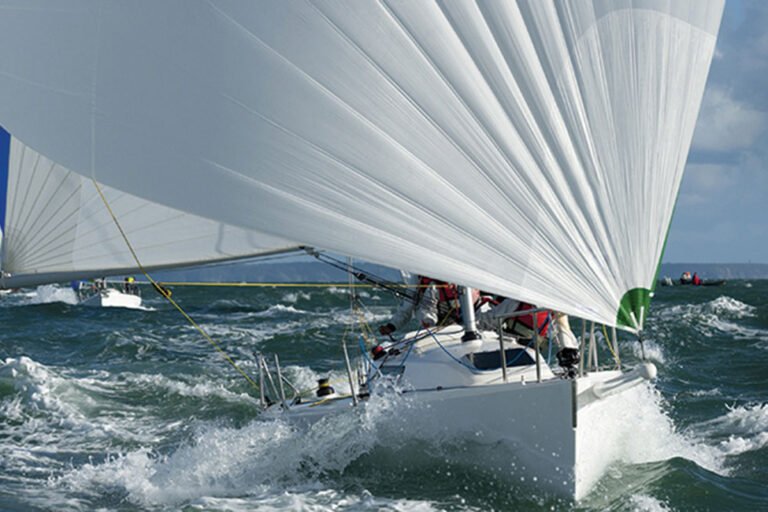
Seasickness affects many boaters, but don’t let it keep you off the water.
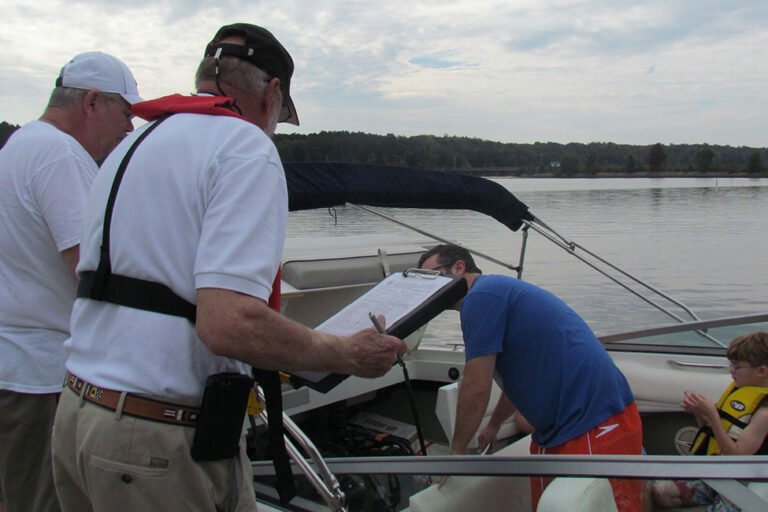
Make sure your boat is ready for boating season by getting a free vessel safety check.
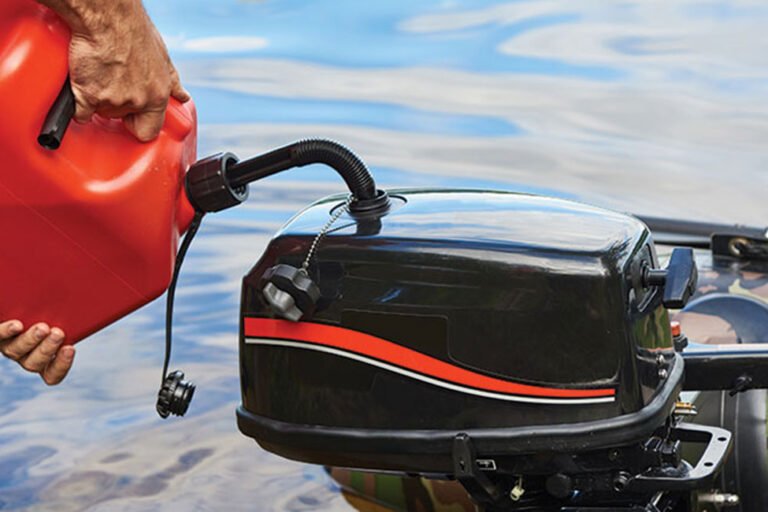
Running out of fuel on the water can be inconvenient and sometimes even dangerous.

If you use propane on your boat more often in the colder months, learn to use it safely.
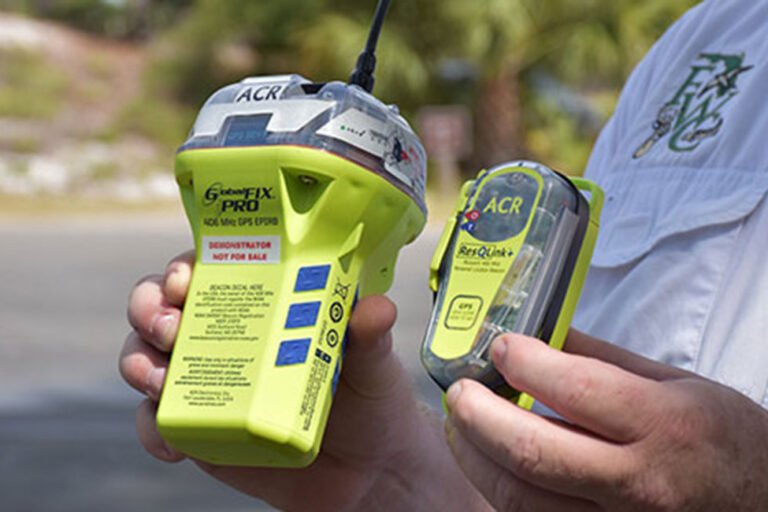
In case of an emergency on the water, carry an emergency beacon on your boat so you can alert authorities to your position.
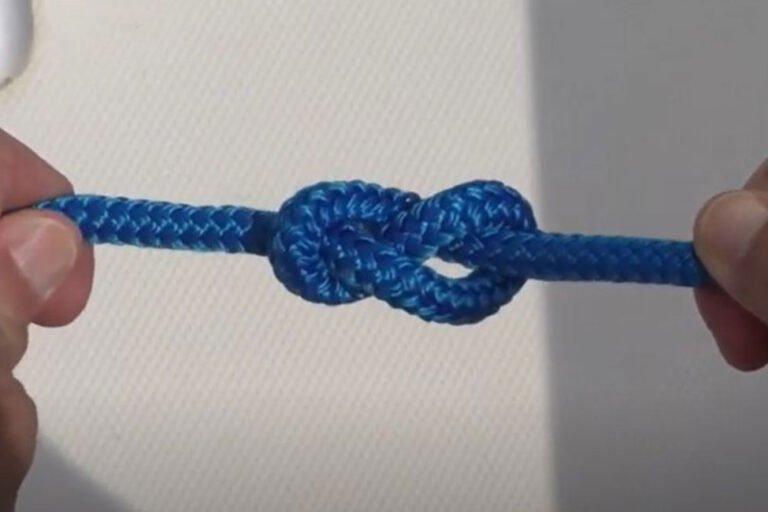
Use the figure eight knot as a stopper knot to prevent a line from sliding through a retaining device.

Use the round turn with two half hitches when you need to attach a line under load to a fixed object.

Do you know what to do if your boat starts to take on water?
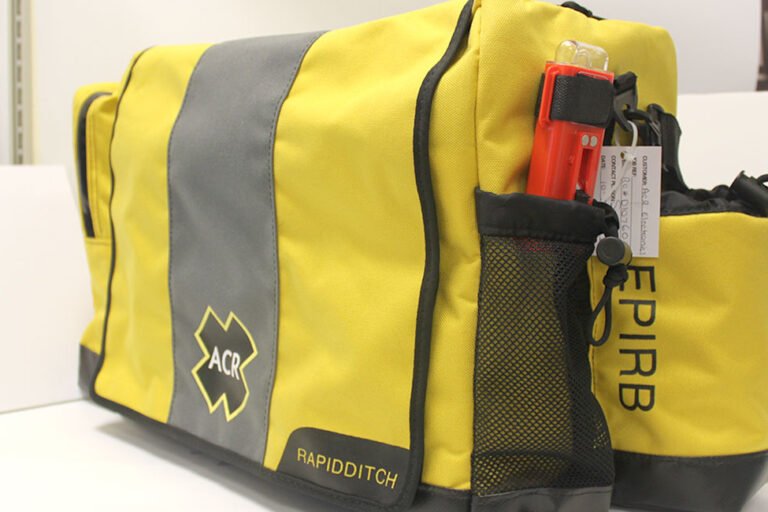
A well-equipped ditch bag could mean the difference in a life-or-death situation.

Many boat fires are preventable. Follow these tips to keep your boat safe.
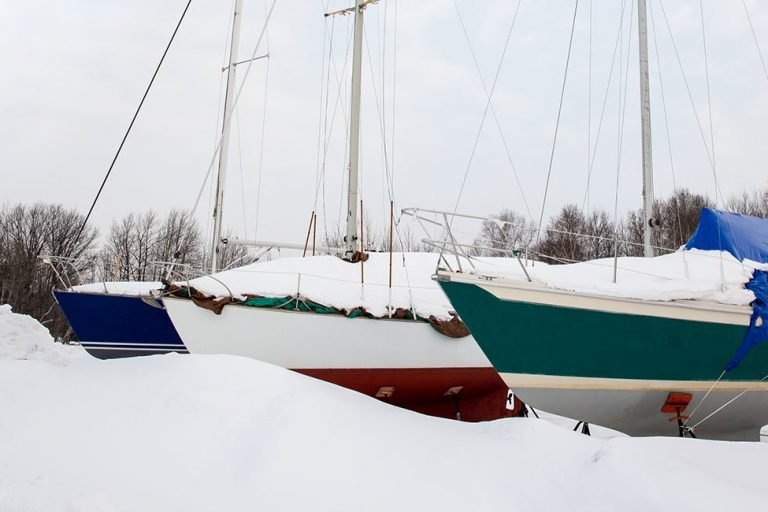
When boating in cold weather, make sure you’re prepared for the worst-case scenario.

The sheet bend is superior in its ability to hold under load and not jam or pinch, making it easy to untie after use.
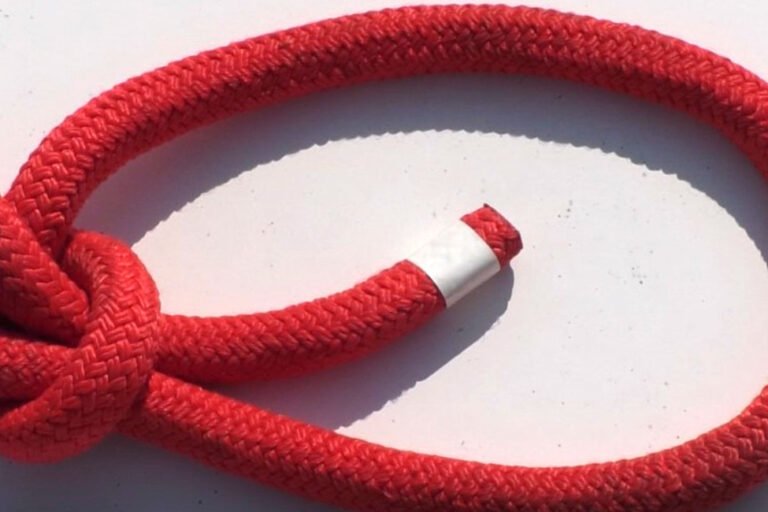
Use a bowline to create a fixed sized loop, such as to go around a piling, that won’t slip under load.

Choose the right anchor to keep your boat safe in both calm seas and hazardous conditions.
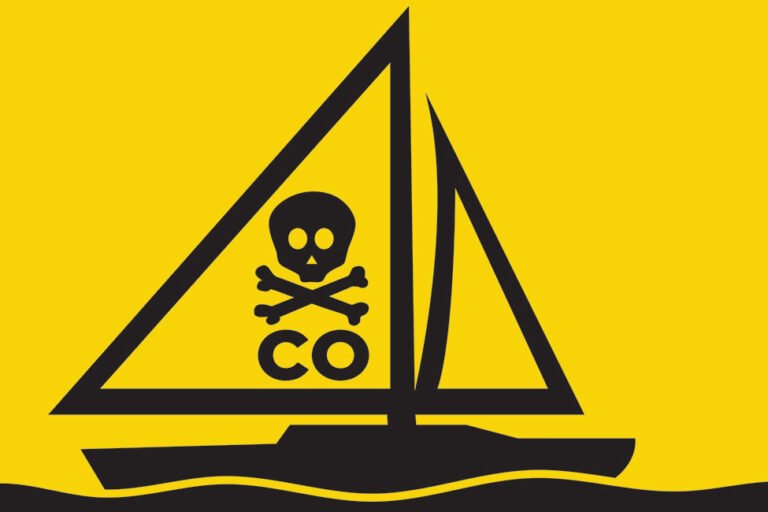
Keep yourself and your passengers safe by learning how to prevent CO poisoning on your boat.

Docking your boat safely includes planning ahead and briefing your crew.

Prepare your boat for winter storage to start next season off right.
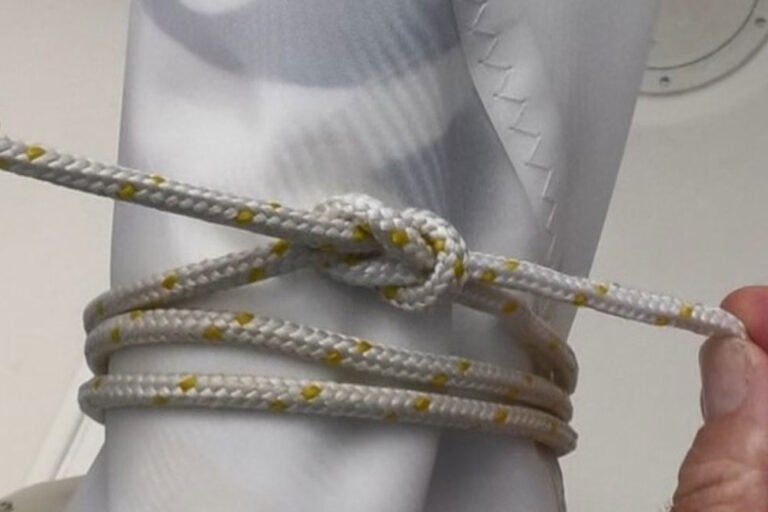
Use a square knot for light-duty tasks, such as reefing or furling sails.

Like driving a vehicle without a tow, learning to tow a boat trailer becomes intuitive with practice.

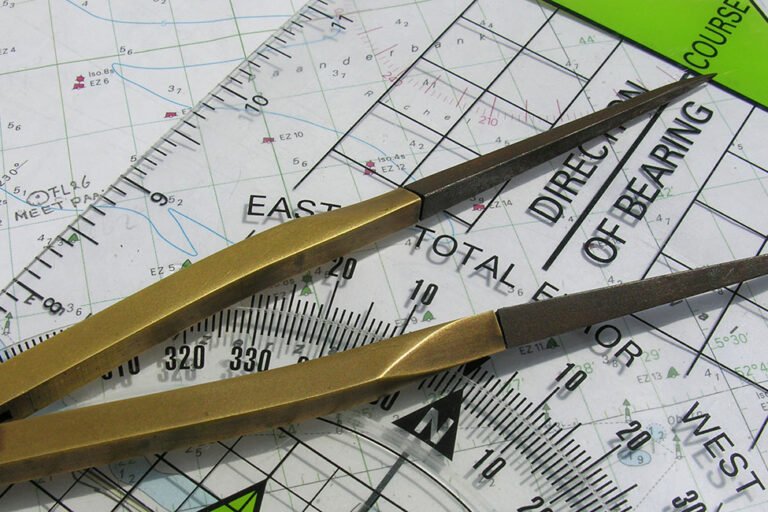
Good navigators rely on GPS as well as charts to get to where they want to go.

Learn how to prevent a man overboard and how to retrieve a person in the water.

You can prevent a grounding by studying charts and using a depth sounder.
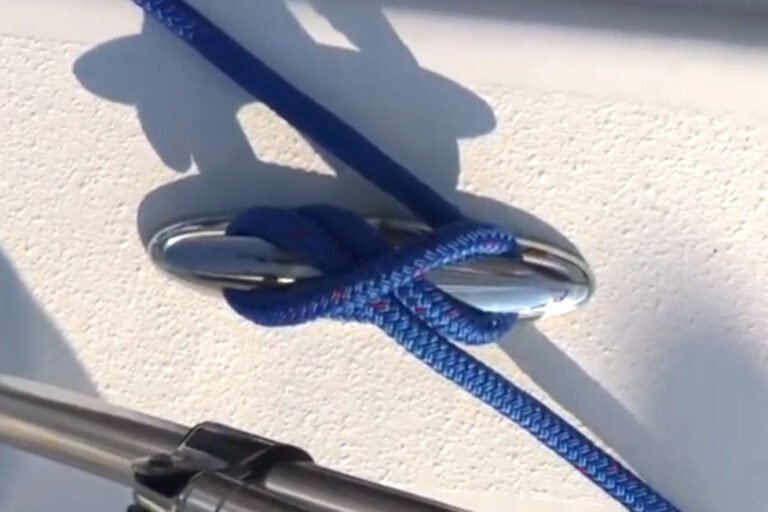
The cleat hitch can be used to tie your boat to a dock or a mooring ball.
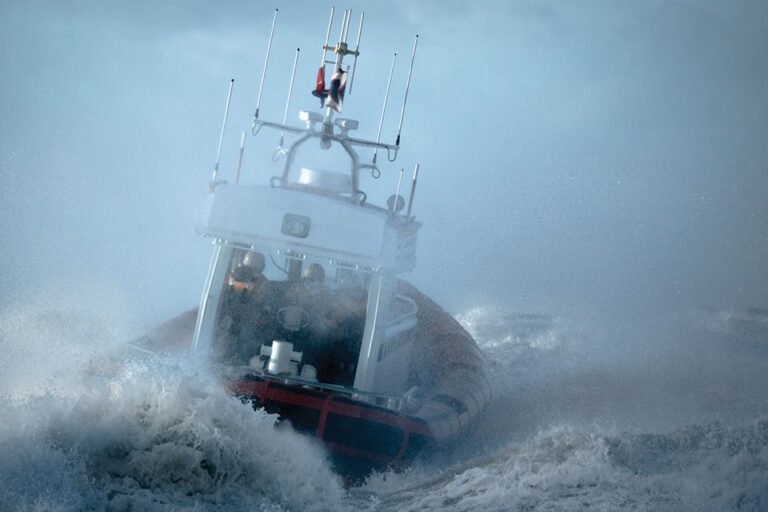
Recognize and prepare for whatever rough weather comes your way on the water.
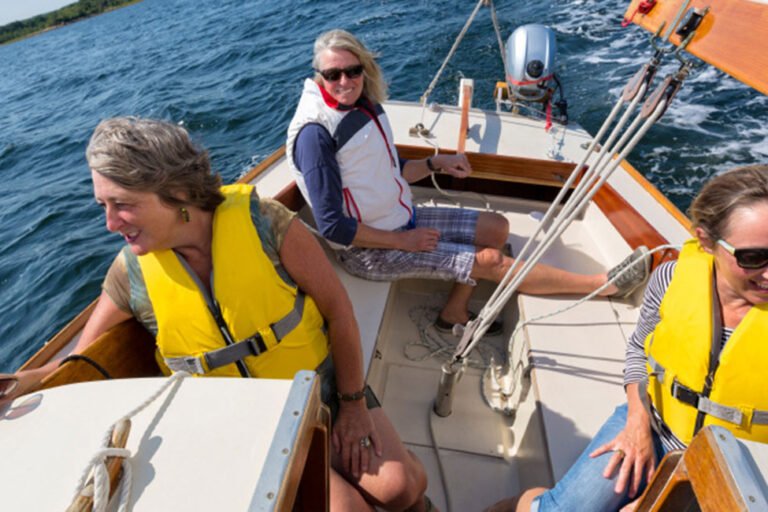
You can prevent collisions and accidents on the water by following the boating rules of the road.

Learn to operate your personal watercraft safely so you can head out on the water with confidence.

Anchoring failures, such as a fouled anchor or dragging anchor, can ruin a day on the water.
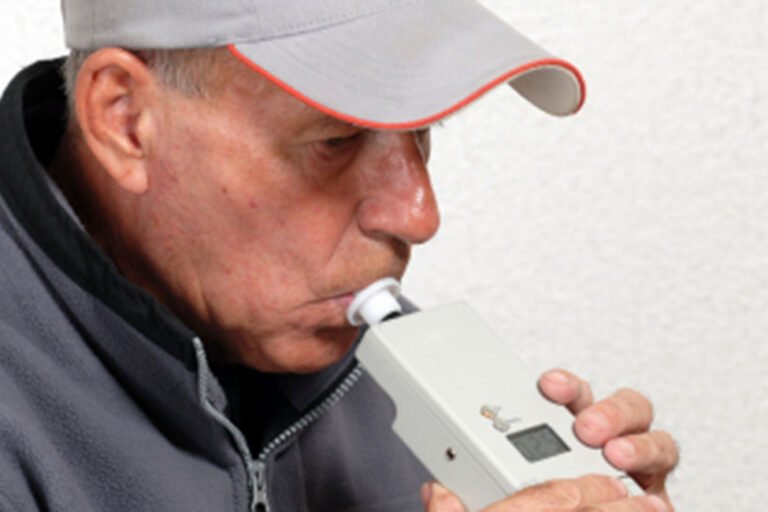
Boating under the influence can be even more dangerous than drinking while driving. Don’t drink and boat.
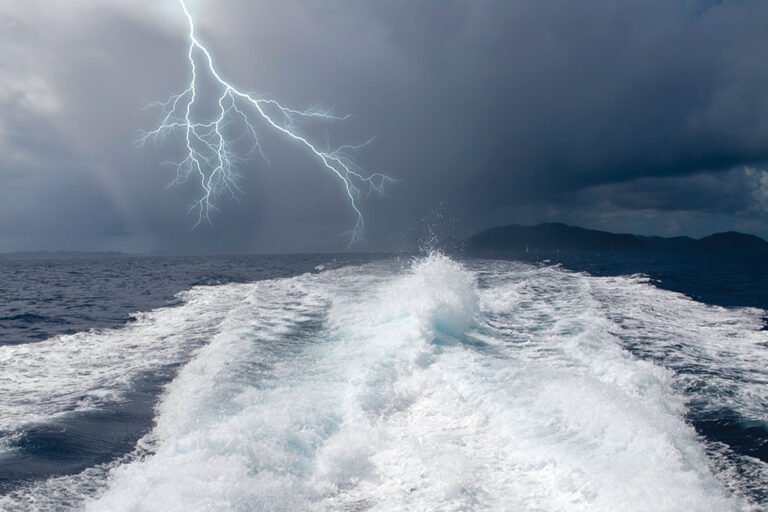
Lightning strikes kill more people in the U.S. than tornadoes, and boaters are particularly vulnerable. Follow these tips to stay safe on and off the water.
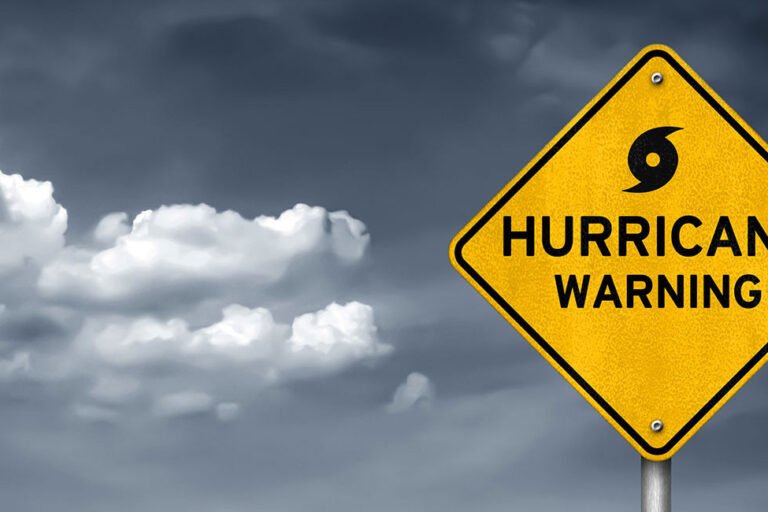
Make a hurricane plan to protect your boat before hurricane season begins. Take Hurricane Preparation for Boaters to prepare for the rough season ahead.

Every boater should carry a marine radio onboard to call the Coast Guard, shore facilities and other boaters. Learn about marine radio and how to use it.
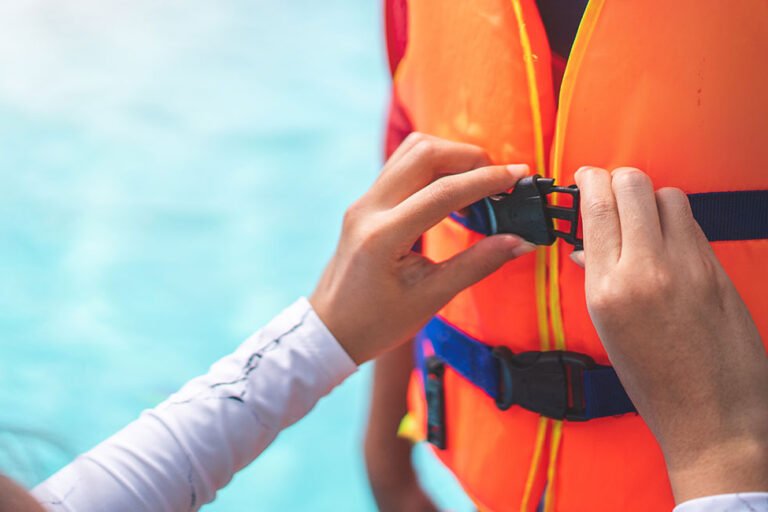
The best life jacket is the one you will wear. Discover how to find the best fit and style for the type of boating you do. Learn about fit, testing and care.

America’s Boating Club has courses, videos and seminars to educate and entertain you in these trying times.

Help keep the waters healthy for all to enjoy with these environmentally friendly tips.

Know what emergency signaling devices you need for your boat
You can prevent most accidents and troubles afloat with a little knowledge and preparation.

Planning a cruise can be daunting. Read on for ways to simplify the process.

Carrying a basic boat toolkit and spare parts can keep you afloat in an emergency.

Learn how marine radar systems work and what features are important to look for.

Follow this spring commissioning checklist to get your started for boating season.

Stay safe on the water during the cold months. Here’s how to fight the effects of hypothermia.

A propeller strike can kill a person in an instant, but it can also be prevented.

Cold weather can be as dangerous on land as it is on water. Take precautions.