Boating solo
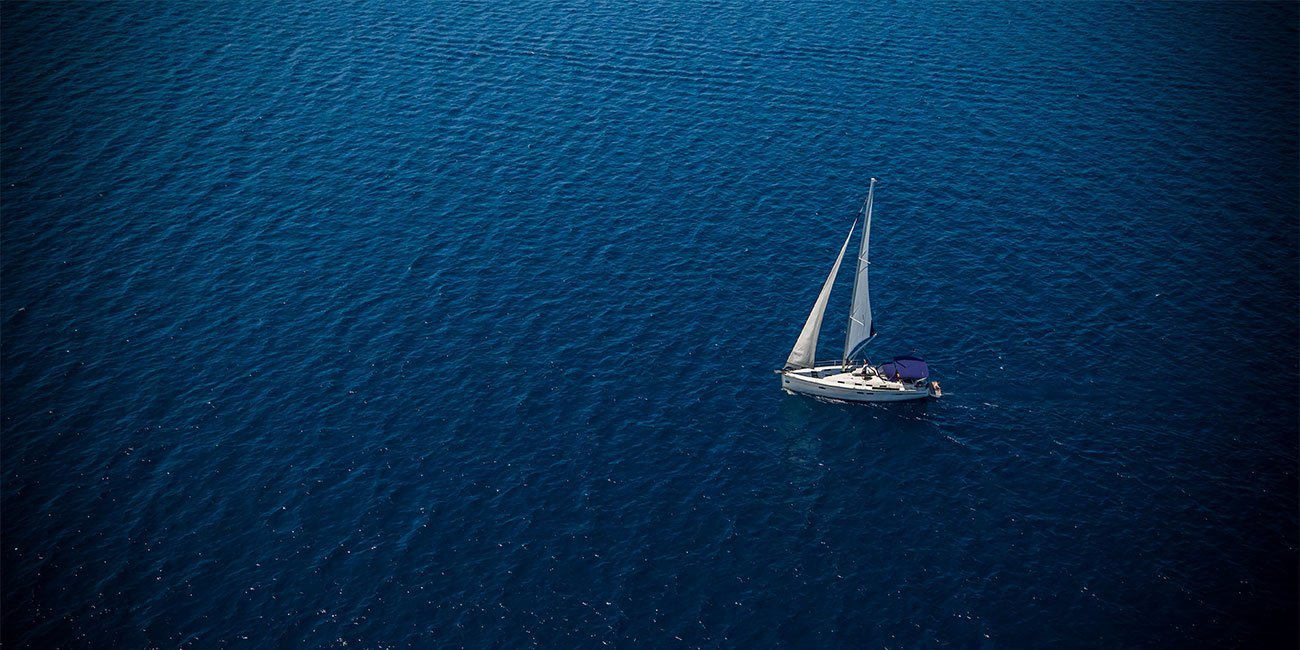
You decide to go boating solo for a little alone time on the water—but what if something goes wrong? Before shoving off to become one with Mother Nature, tell someone where you are going, what you are doing and when you will return. It’s simple and absolutely necessary for safe boating.
Write down a description of your boat and the registration number. That way, if you are late getting home, someone knows to send for help. Waiting a few hours for help is a lot safer than spending a whole night on the water alone.
When boating solo…
- Wear a life jacket.
- Know your location at all times.
- If you go overboard, stay calm. Don’t thrash about or try to remove clothing or footwear. Keep your knees bent, float on your back and paddle slowly to safety.
- Do not drink alcohol.
- Don’t relieve yourself off the side of the boat.
If you’re planning a long cruise, file a float plan with your marina, yacht club, friends or family. A float plan includes a description of your boat, who is on board, a list of the safety equipment you carry, where you expect to be, and when you expect to be there.
After arriving at your destination or if your plans change, contact the person keeping your float plan so they don’t raise an alarm unnecessarily. But if you do not arrive or return within a reasonable time (considering weather and other potential factors), the person keeping the float plan should notify the U.S. Coast Guard or other appropriate agencies.
You can generate a customizable, printable float plan here. –Al Ponzio

Prepare for any crisis
Learn how to handle any emergency while underway by taking our Emergencies Onboard seminar.