Tips for National Safe Boating Week
With National Safe Boating Week kicking off May 18–24, you should follow these seven practical tips to enjoy a summer of safe boating.
- Follow the dates. Some required safety equipment, such as flares, have an expiration date. Fire extinguishers must be replaced 12 years after their date of manufacture, so you will have to do some math. And if you have automatically inflatable life jackets aboard, the dissolvable bobbin inside the inflation mechanism also has an expiration date stamped on the outside. These dates help ensure the equipment will work when you need it, but you shouldn’t stop there. While inflatable life jacket inflation cylinders don’t expire, a thorough annual inspection of the cylinder and life jacket, including an overnight inflation test, is something you should have on your calendar every season.
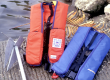
- Get comfy. Of the people who drowned in recreational boating accidents in 2022, 83% were not wearing life jackets. To wear your life jacket more often, you need a life jacket you don’t mind wearing. There are many styles of life jackets today, such as inflatables, hybrids and special use vest types (e.g., fishing, paddling) that are comfortable even on hot days and allow all the movement you need. Wearing yours also influences guests to wear theirs. Regardless, ensure a life jacket is within reach of everyone aboard. Children should never wear an adult jacket. If you find yourself short on a correctly sized jacket, borrow one for free from a BoatUS Foundation Kids Life Jacket loaner program location.
- Brush up on basics. Refresh your boating safety by taking an online boating course offered by a variety of safe boating organizations or by refamiliarizing yourself with the rules of the road.
- Start each outing right. Before a day on the water, take a few minutes before you depart to share a safety briefing with your guests. If an emergency arises, you’ll have a team aboard to address it quickly. If you’re wondering what to share, download a customizable predeparture safety briefing checklist.
- Don’t go alone. File a float plan. Let a trusted family member or friend know where you’re going, when you expect to return, and what to do if you fail to check in. Having someone ashore who knows your whereabouts and trip plans can potentially shorten a response time.
- One hand for yourself. Always be prepared for sudden, unexpected vessel movement by having a firm footing and one hand connected to the boat. With alcohol being a leading factor in boating fatalities, save the wine, beer or other alcoholic drinks for when you’re safely ashore.
- Don’t rush the startup. For boats with enclosed engine compartments, run the blower for a minimum of four minutes before starting the engine and after each refueling. This is especially important after visiting the gas dock.

Feel at home on the water
Learn to boat with confidence by taking the Boat Handling course online from America’s Boating Club.